The short answer
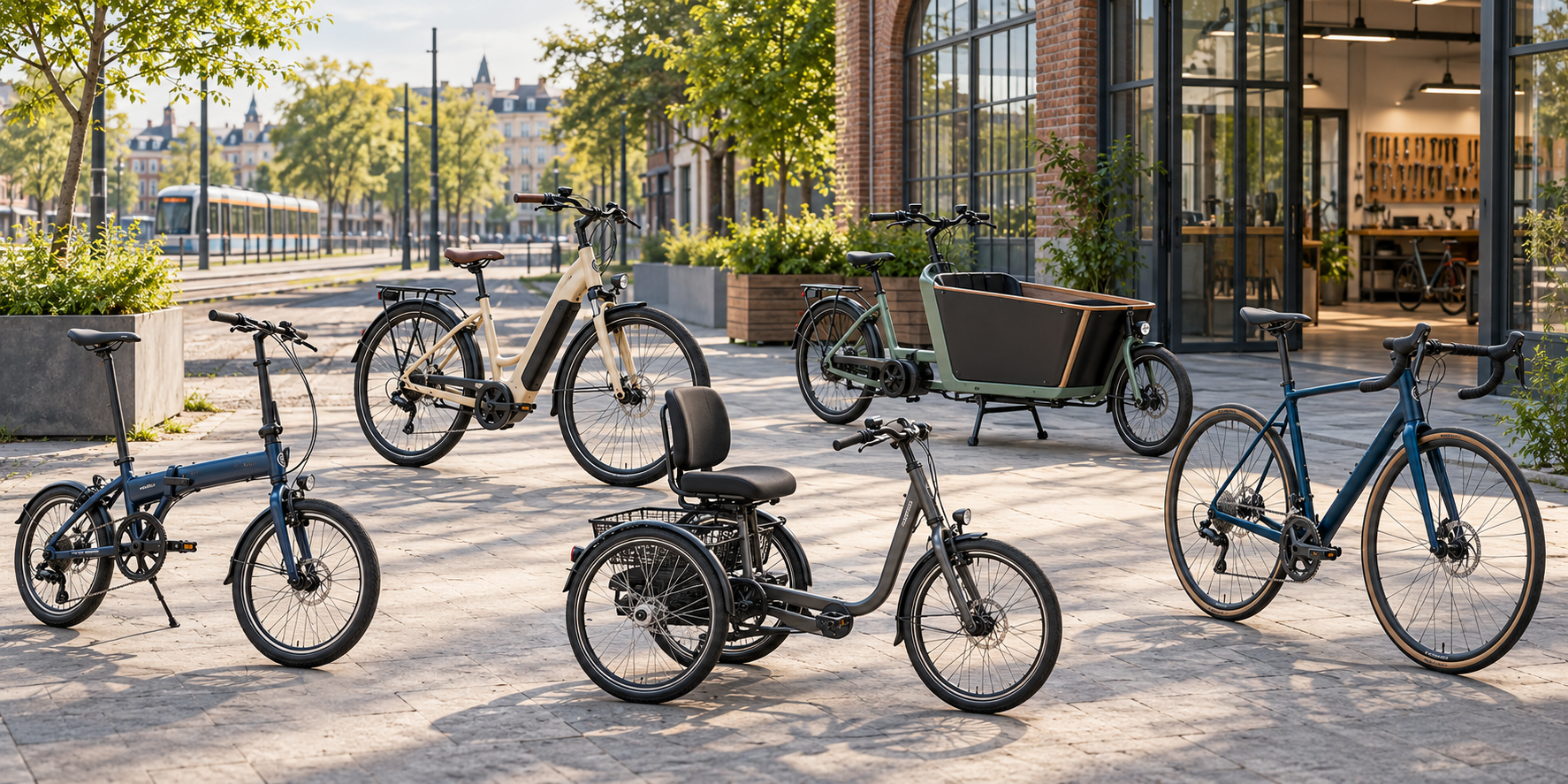
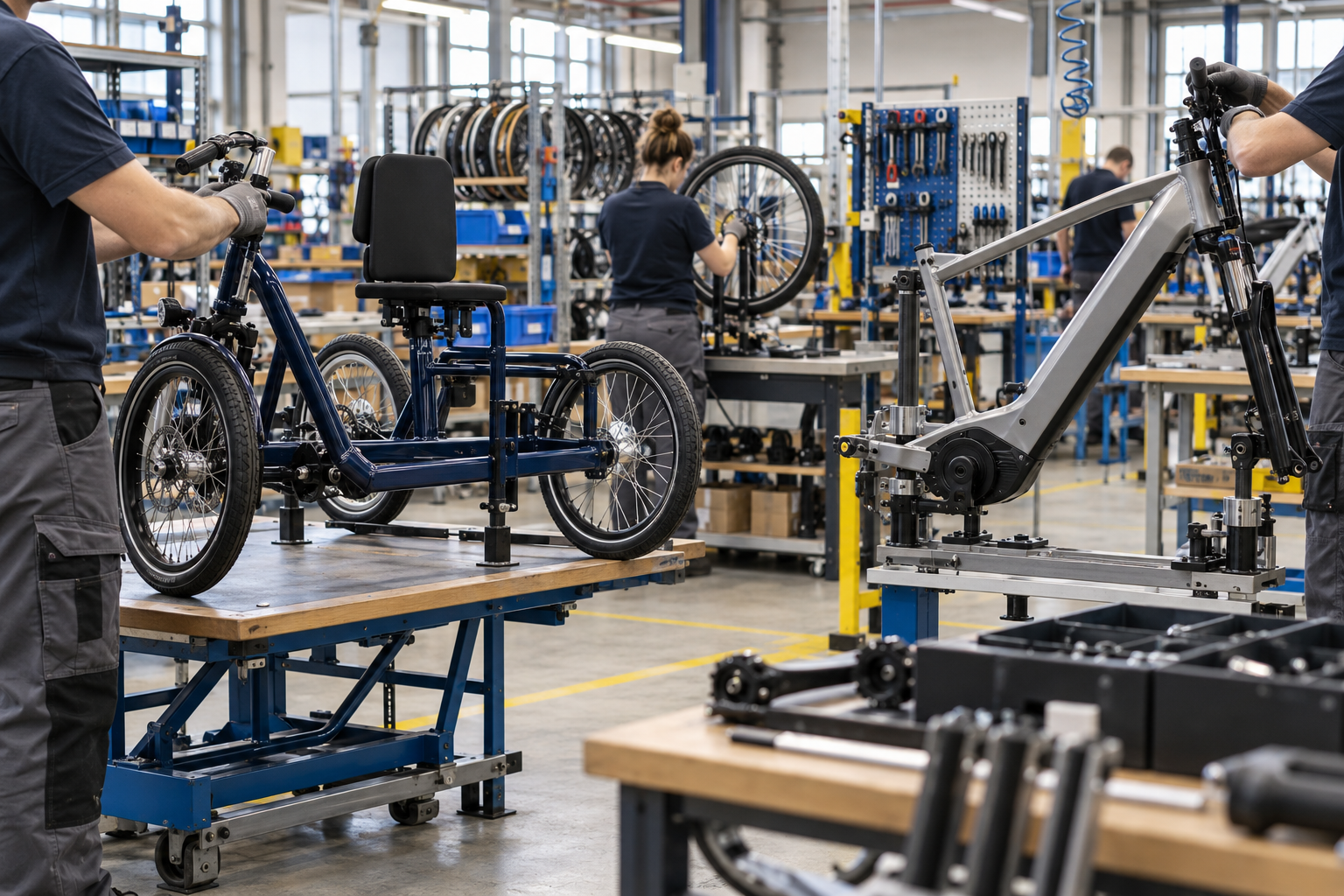
Gazelle has made bicycles in Dieren in the Netherlands since 1892. Its modern Innovation and Production Centre includes painting, wheel assembly, final assembly and testing. The factory describes production measured in hundreds of thousands of bicycles a year, making Gazelle an industrial manufacturer rather than a boutique badge.
A bicycle shaped by Dutch transport
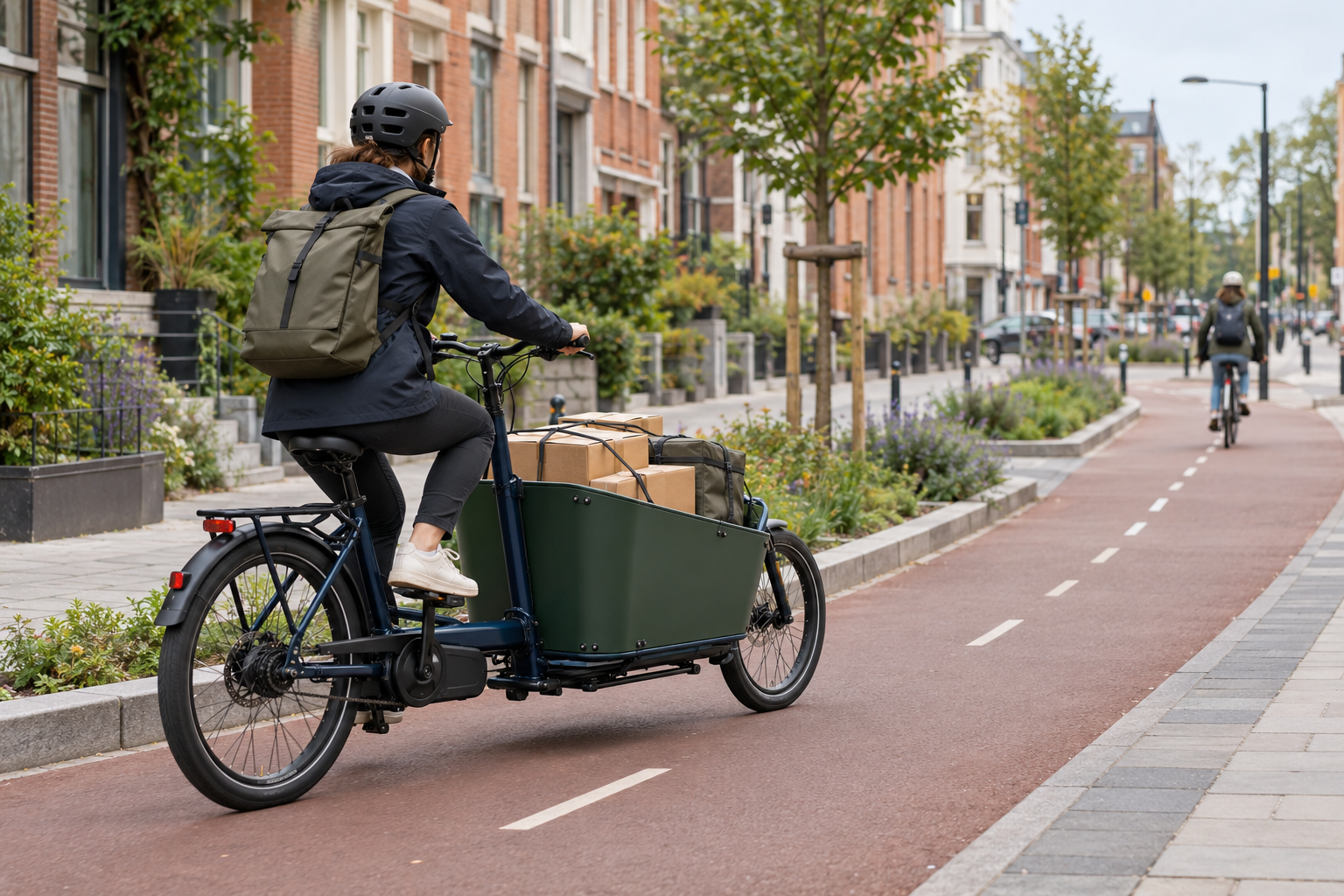
The product reflects Dutch transport culture. Upright posture, chain or belt protection, racks, lighting, mudguards, locks and step-through frames are not decorative extras; they support ordinary clothes, shopping, children and year-round use. Electric models extend the same philosophy to longer distances and hills.
Ownership and supply-chain boundaries
Gazelle is part of Pon Holdings, a Dutch group with a large international bicycle portfolio. European ownership and Dutch production are real, while frames, motors, batteries, gears, brakes and other inputs use global suppliers. Pon's scale can strengthen procurement and service but also means the brand sits inside a larger corporate structure, not an independent family workshop.
Comfort must be tested
Comfort needs to be tested, not assumed. Very upright steering can feel stable and relaxed for one rider and vague for another. Step-through convenience can change frame stiffness and weight. Suspension seatposts and forks add comfort but also maintenance. Tyres, saddle, grips and posture should match road surface and distance.
Dealers and e-bike service
Gazelle's dealer network is a central advantage. A good dealer can size the frame, align brakes, update motor software, diagnose noise and handle warranty claims. Coverage differs by country. Buying a discounted model far from competent support can undermine the reason to choose an established dealer-led brand.
For e-bikes, compare battery location, removable weight, charger, motor torque, assistance behaviour and the price of future replacement. A heavy comfortable e-bike may be excellent while powered and extremely difficult to carry when a lift fails. The bicycle's total authorised weight must include rider, luggage, accessories and child equipment.
The factory's test laboratory and production discipline are important, but no bicycle is maintenance-free. Dutch-style enclosed components reduce exposure, while tyres, brake pads, chains, belts, gears and batteries still age. Ask the dealer for an annual-cost estimate and which parts are stocked locally.
Why Europe can be proud
Gazelle belongs in Proud Europe because it makes the mundane excellent. Europe needs high-speed trains and spacecraft, but it also needs dependable machines that move people a few kilometres every day. A Dutch factory producing comfortable bicycles at scale is public-life infrastructure expressed as a consumer product.