The short answer
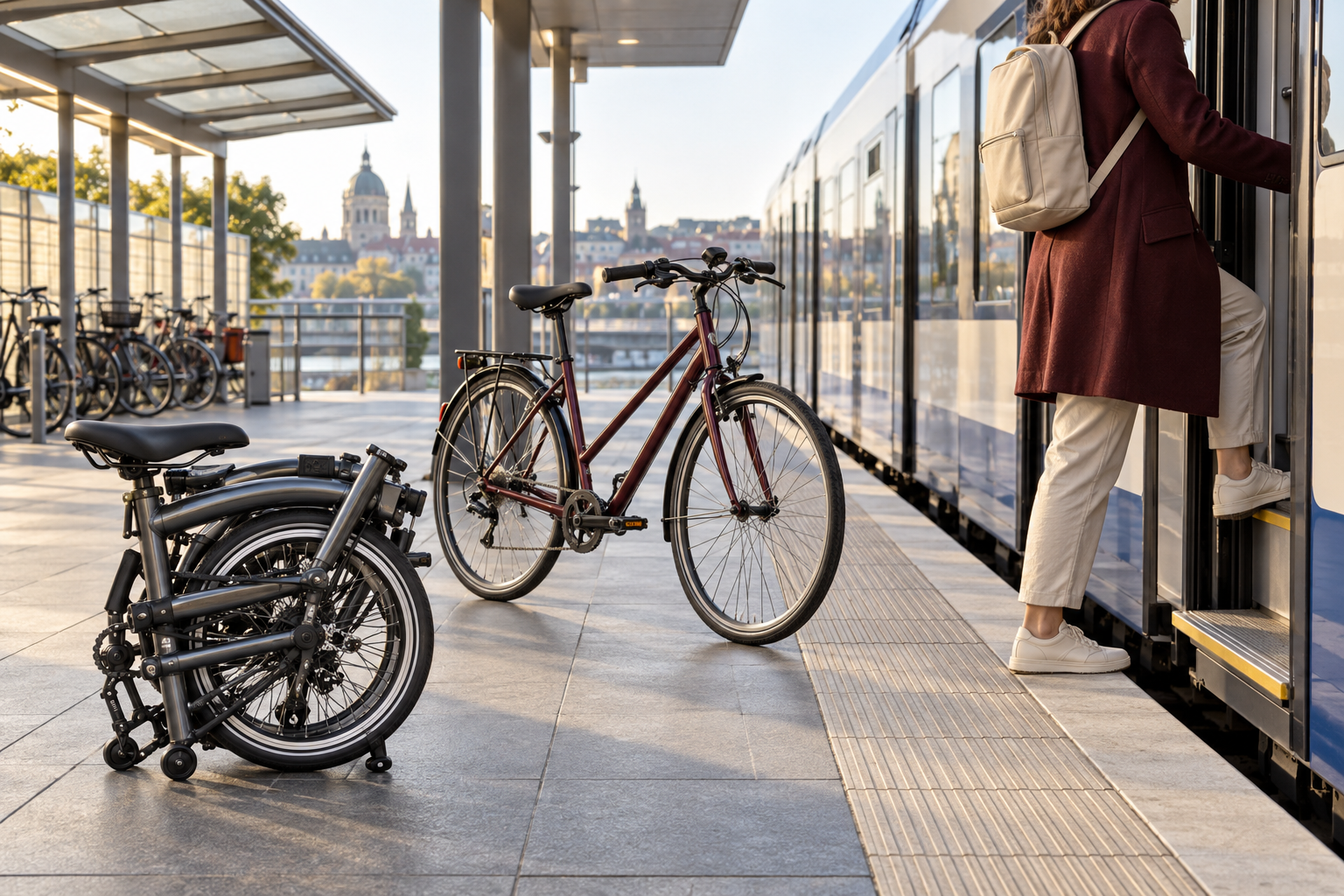
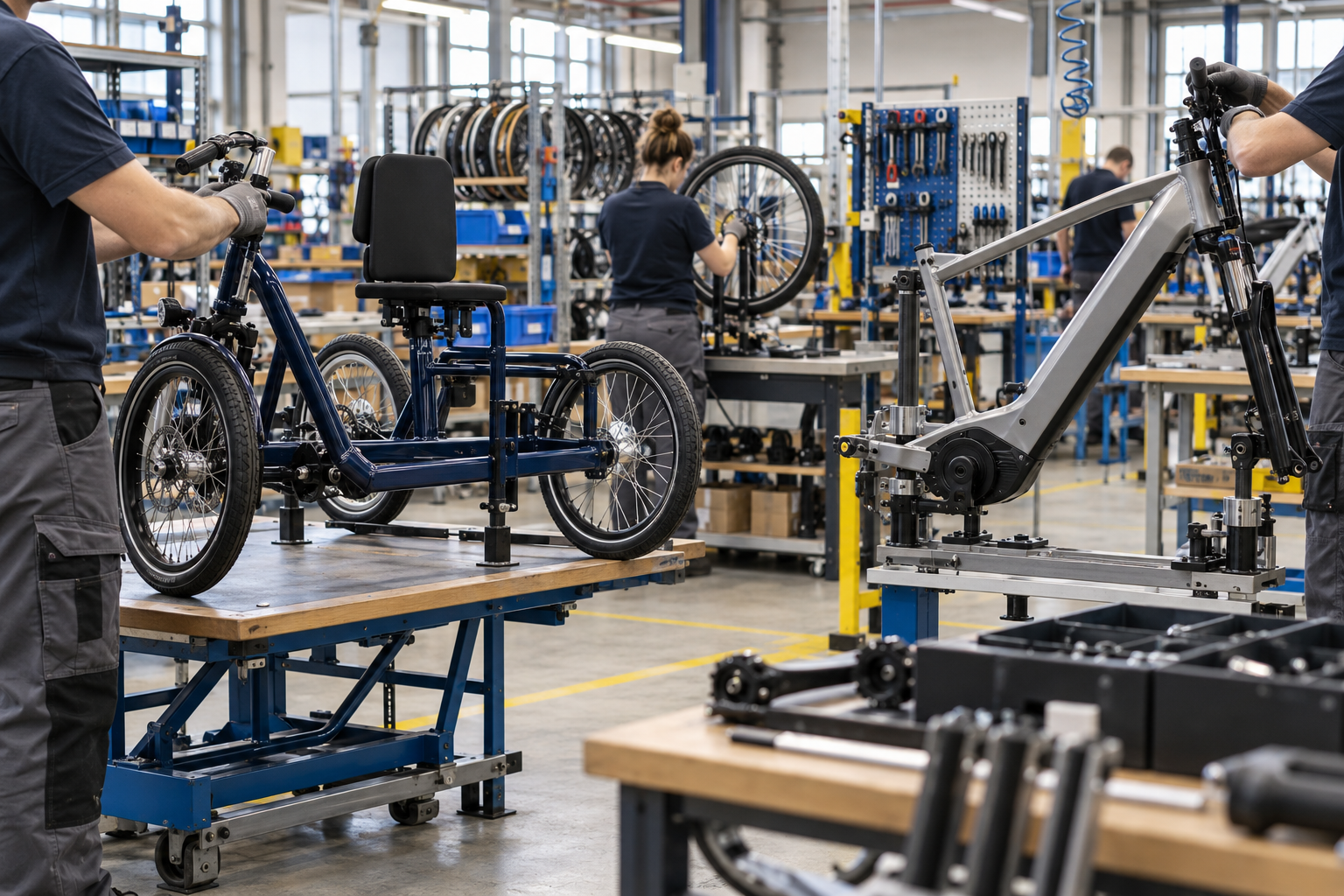
Brompton turned a difficult engineering problem into a transport category. Its bicycle folds into a compact package that can be carried into a flat, office or train rather than left outside. The company says more than 300 engineers, designers, fabricators and makers work across its West London factory and Sheffield welding operation, with each bicycle built and quality-checked in London.
Why the fold is real engineering
The European achievement is not nostalgia. Folding requires frame geometry, hinges, clamps, cables, wheels and luggage to work as one repeatable system. A poor fold is slow, awkward or unstable when carried. Brompton's long refinement has made the transformation itself part of the product, with electric models adding a motor, battery, controls and software without abandoning portability.
Train and mixed-mode journeys
The product is particularly persuasive for mixed-mode travel. A normal full-size bicycle may need a reservation or dedicated space; a properly folded cycle can sometimes be treated as luggage. That is not automatic across Europe. Operators set dimensions, packaging and peak-time rules, and a lithium battery creates extra conditions for coaches, aircraft and some international journeys.
Buyers should test the whole sequence: ride, stop, fold, lift, roll, board, store and unfold. Published weight becomes real on a staircase. Small wheels produce agile steering but react differently to potholes and rough surfaces. A low compact package can still be awkward if the rider cannot lift it or if station lifts fail.
Electric models, service and warranty
Brompton's official electric range uses a proprietary e-Motiq system and application features. The company describes extensive durability testing and offers registered electric bikes a seven-year frame warranty and three-year electric-system warranty. Those are meaningful commitments, but buyers still need the current battery price, dealer diagnostics and service availability in their country.
The bicycle's global components do not erase British manufacturing. Tyres, gears, bearings, electronics and other parts come from specialised supply chains. The fair claim is that the defining frame design, fabrication skill, assembly, testing and company responsibility remain British—not that every input originated there.
Who should buy one
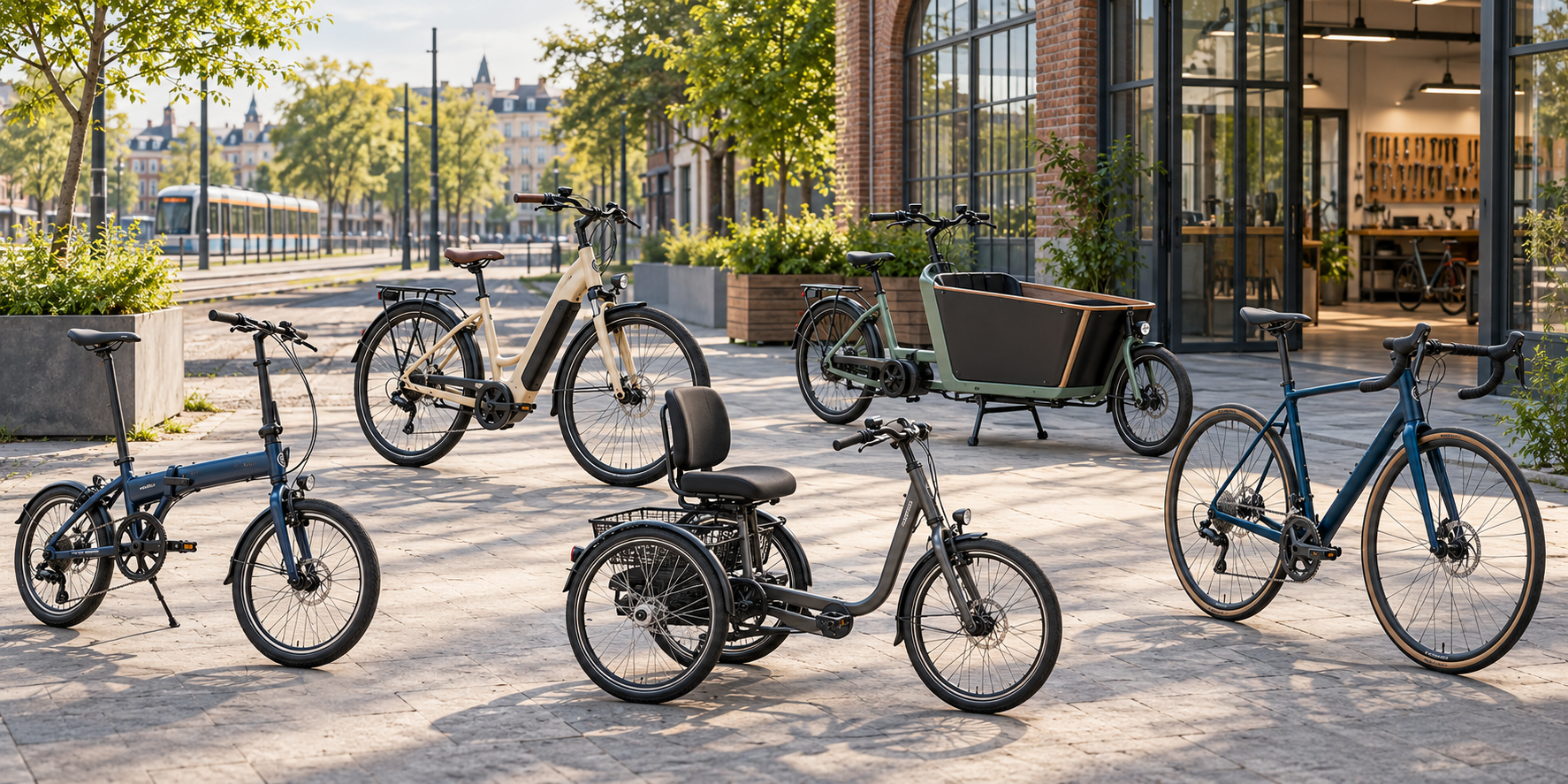
Price is the obvious limitation. A Brompton is difficult to justify if it will remain unfolded in a garage beside a cheaper full-size commuter. Its value appears when secure indoor storage avoids theft, a compact package unlocks rail journeys, or a car trip becomes unnecessary. Luggage compatibility, riding position, gearing and road quality also deserve a proper test.
Why Europe can be proud
Brompton belongs in Proud Europe because it shows what specialisation can achieve. Instead of competing only on component specifications, a London manufacturer built a recognisable solution to a European urban problem: how one person and one bicycle move through streets, buildings and public transport as a single journey.