The short answer
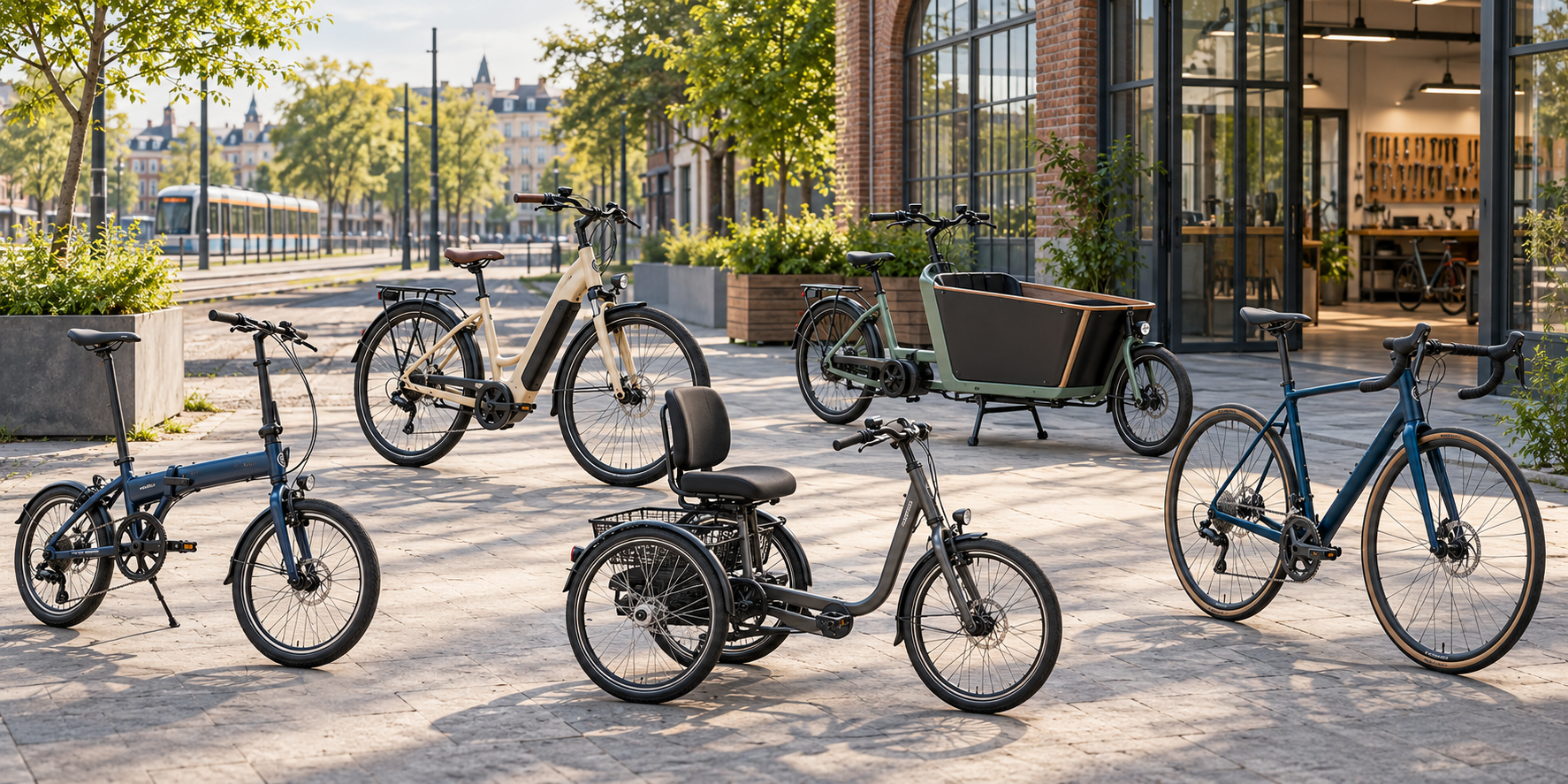
Canyon grew from a German family business into a globally visible bicycle company by changing the route to the customer. It sells directly rather than relying primarily on a conventional independent-dealer network. The product range covers road, gravel, mountain, triathlon, urban, fitness and electric bicycles, with engineering, product development, supply-chain management and purchasing mainly based in Germany.
Where Canyon bicycles are assembled
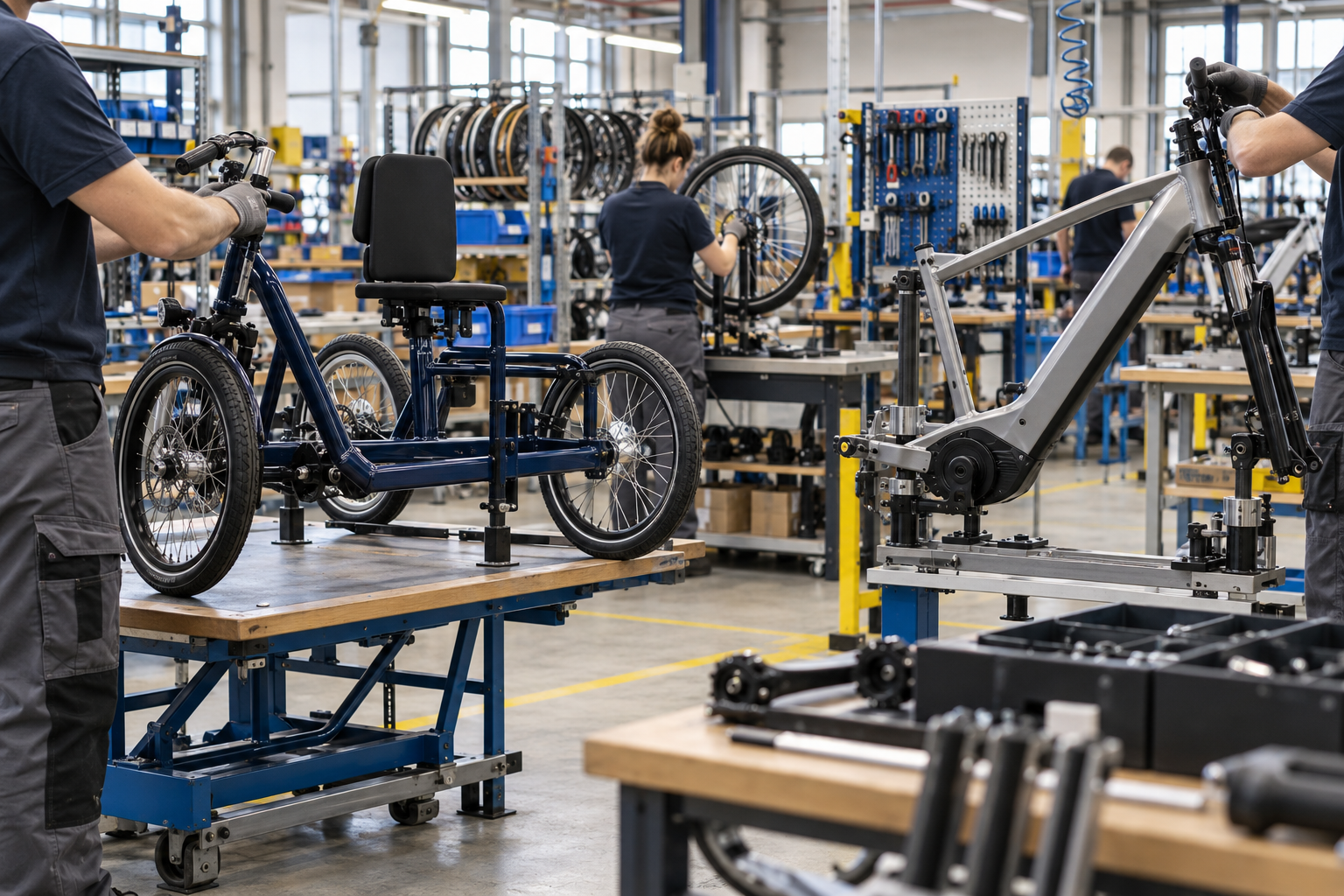
The company's current sustainability reporting says a significant proportion of bicycles are assembled at Koblenz, with additional assembly partners in Portugal, Czechia, Cambodia and Taiwan. Components come through a network spanning many countries. That is a meaningful European industrial base, but not a promise that every Canyon has the same production geography.
What direct sales change
Direct sales can reduce retail layers and make configuration comparison unusually transparent. It also changes responsibility at delivery. Bicycles arrive substantially assembled, but transport requires removal or adjustment of parts such as the front wheel, handlebars or seatpost. The buyer must follow the instructions, use a torque wrench where specified and stop if anything appears damaged or uncertain.
Fit before specifications
Fit is the largest risk in a remote purchase. Canyon's online sizing tools help, yet two riders with the same height can have different proportions, mobility and handling preferences. Aggressive road and racing positions are particularly sensitive. Compare stack and reach with a known bicycle and use professional help when choosing between sizes.
Service and proprietary parts
Service is no longer purely remote: Canyon operates service locations and partners in various markets. Coverage still differs by country, and an ordinary workshop may be comfortable with Shimano brakes but less familiar with a proprietary cockpit, frame fitting or integrated e-bike system. Confirm who will inspect, diagnose and authorise warranty work before ordering.
For performance bikes, value is not only weight or component tier. Wheels, tyres, gearing, cockpit dimensions and replacement availability determine everyday usability. Integrated routing and aerodynamic parts can look clean while making travel and maintenance harder. A lower headline price can be consumed by fit changes, shipping or specialist labour.
Why Europe can be proud
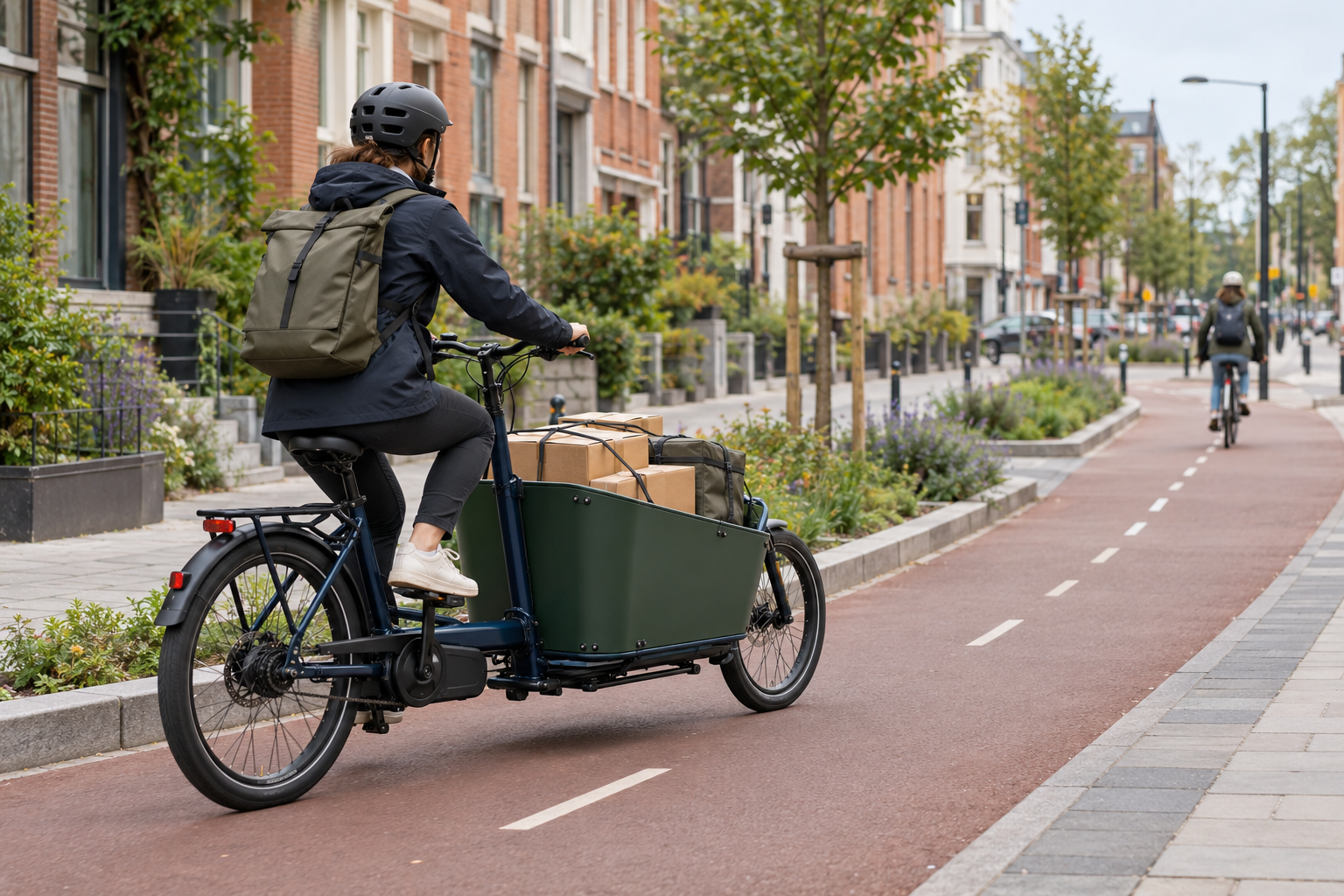
Canyon's European achievement is a scalable product-and-commerce system: German engineering, digital configuration, international assembly and direct distribution. The limitation is the same system. It works best for a buyer willing to research fit, perform or arrange final setup and take an active role in service coordination.
Europe should be proud that a Koblenz company competes at the front of global road, mountain and triathlon cycling while also selling practical urban and electric models. Pride remains evidence-based when it recognises the full multinational supply chain and judges the bicycle over years of riding, maintenance and support rather than its delivery-day specification.