The short answer
Orbea makes bicycles through an unusually European business institution: a worker cooperative. Employees took control in 1969 when closure threatened the company, and Orbea later joined the Mondragon cooperative network. That history matters because ownership determines who participates in long-term decisions, where returns flow and how a company relates to its region.
What Orbea makes in the Basque Country
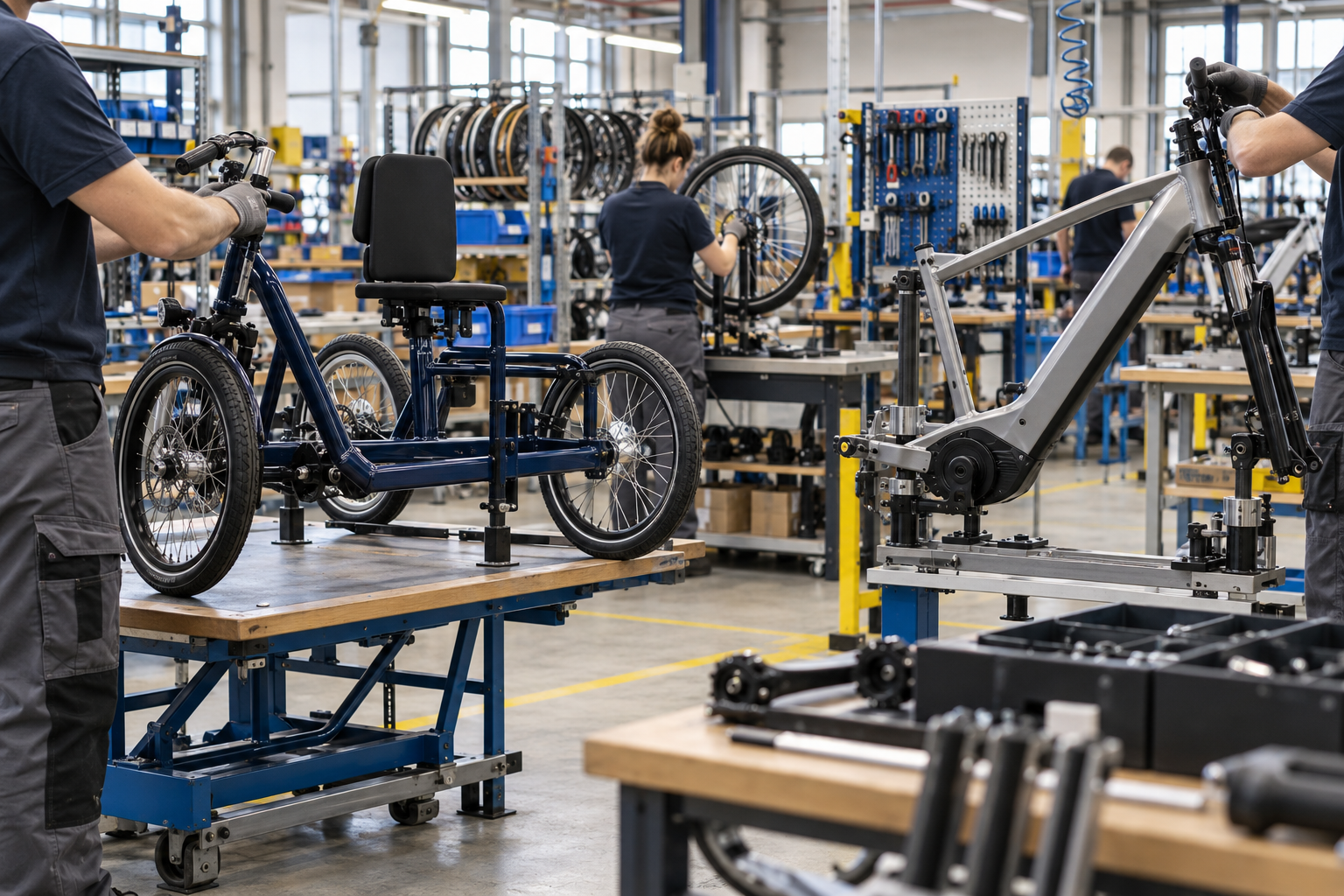
The company now spans road, gravel, mountain, urban, children's and electric bicycles. Its Mallabia base in the Basque Country includes design, testing, painting, assembly and after-sales activity. Orbea's own quality policy describes bicycle design, production and after-sales warranty at that production centre, while its custom MyO programme demonstrates the value of a flexible local industrial system.
The global supply-chain boundary
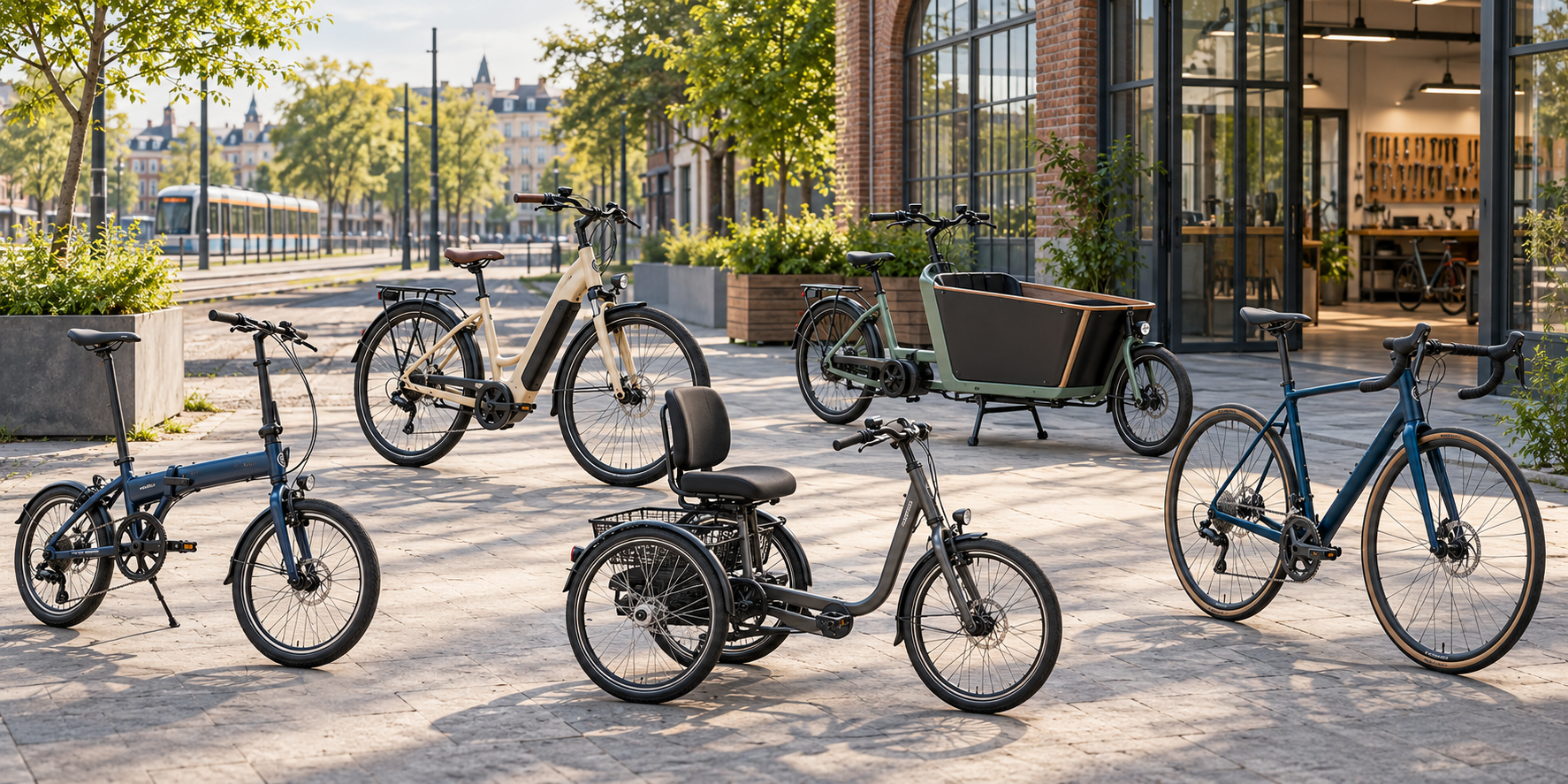
Cooperative ownership does not mean every Orbea frame and component is produced in Spain. Carbon and aluminium production, drivetrains, suspension, motors, batteries and other inputs use international suppliers and facilities. Model, material and customisation choices can affect where the frame is made, painted and assembled. The correct question is the exact production path of the bicycle being ordered.
Orbea's breadth is both strength and complication. A high-performance road bicycle, full-suspension mountain bike and practical e-bike share a brand but not one buyer. Geometry, intended terrain, service requirements and component ecosystems differ. A shopper should begin with fit and use, then compare the exact model rather than treating Orbea as one uniform product.
Why cooperative ownership matters
The cooperative structure provides a valuable Proud Europe story because it joins advanced manufacturing with democratic ownership. It does not guarantee a perfect labour, environmental or product outcome. It creates a governance arrangement worth understanding and assessing, particularly in a sector where private equity, licensing and changing brand ownership can obscure responsibility.
Warranty, fit and service
Orbea offers a lifetime frame warranty programme subject to registration and conditions in addition to legal rights. Buyers should read the country-specific terms, exclusions and transfer rules. Suspension, motors, batteries and third-party components can follow their own warranties and service routes, so the complete support picture is more complicated than the headline frame promise.
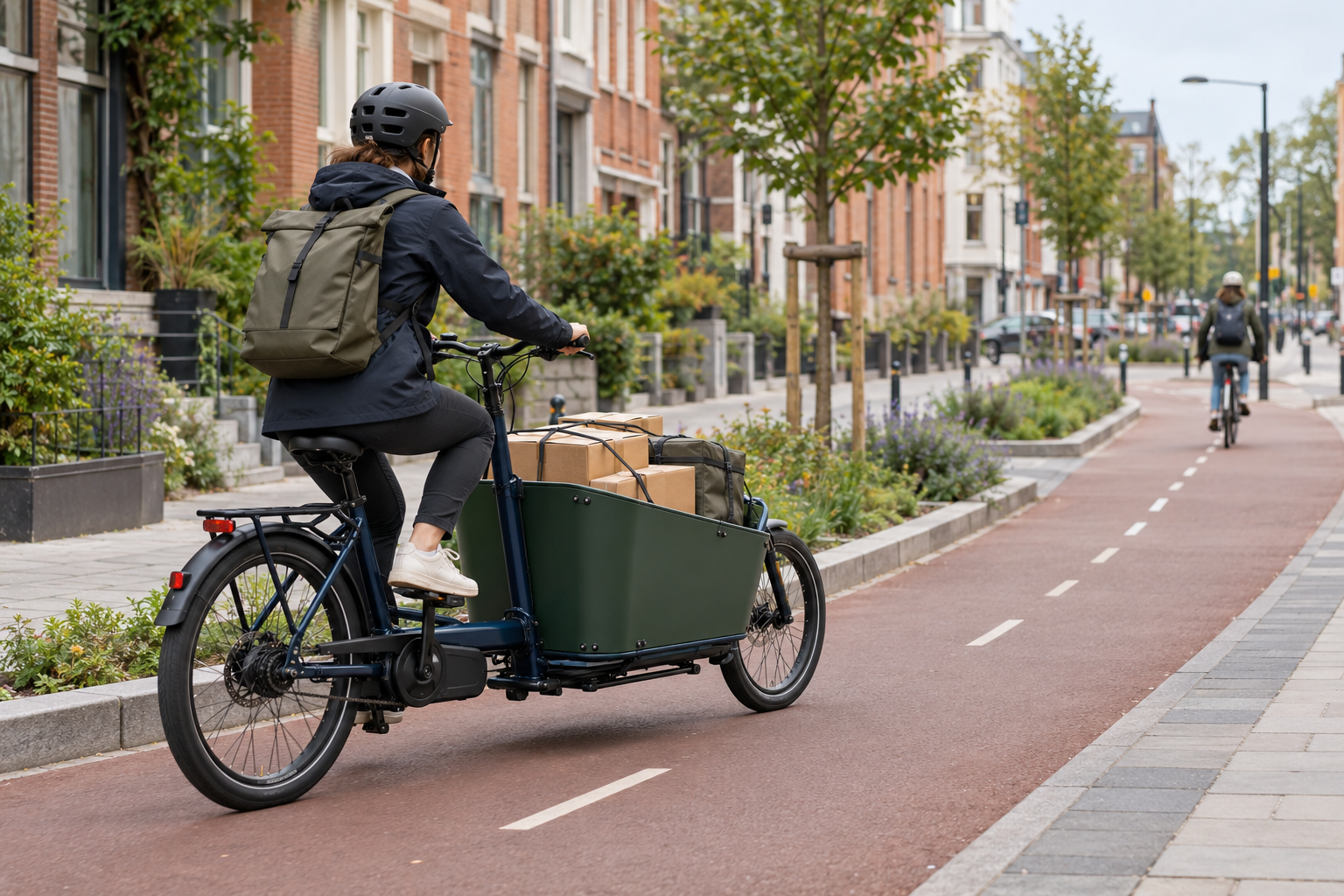
Direct customisation can improve fit and attachment to the product, but it can also lengthen delivery or complicate cancellation. Colour is not fit. The buyer should confirm frame size, contact points, gearing, wheel and tyre clearances, intended maximum use and which dealer will handle setup and warranty work.
Why Europe can be proud
Orbea shows a federal Europe at human scale: local ownership and identity can coexist with a continental market, international competition and shared supply chains. The achievement is a living cooperative capable of designing and selling sophisticated bicycles globally while keeping production knowledge and collective ownership rooted in the Basque Country.