The short answer
Slimbook is a Spanish computer brand created in 2015 and based in Valencia. Its official company history places the brand inside Grupo Odin and describes a team focused on GNU/Linux computers, technical service and community collaboration. This is a current European operating company, not a dormant trademark licensed to an importer.
Asian ODM hardware, Spanish final assembly
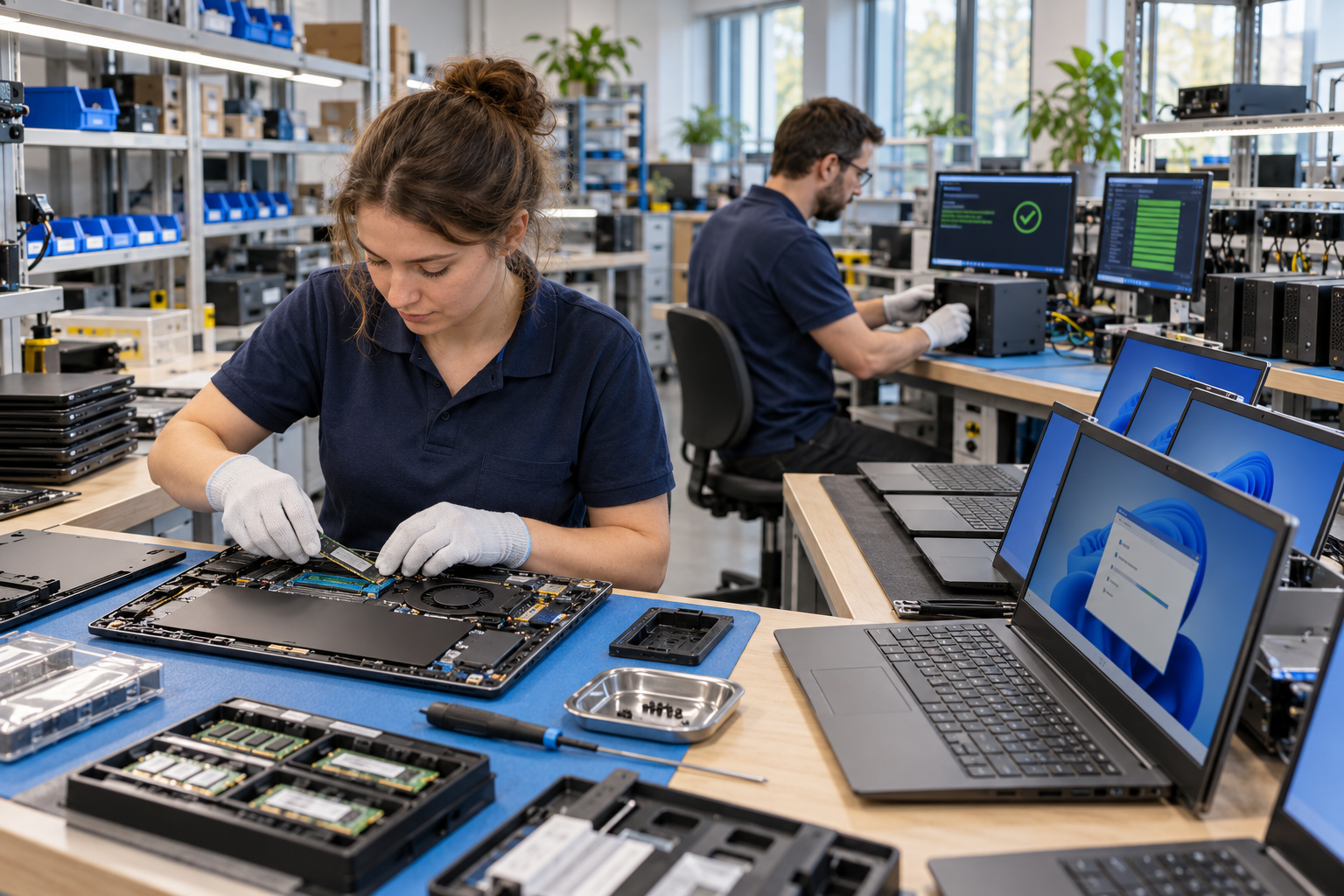
Its most valuable claim is unusually transparent. Slimbook explains that it works with Asian OEM and ODM manufacturers such as Tongfang, Clevo and Compal, that computers are manufactured in Asia, and that final assembly takes place in Spain. The company installs selected memory and storage, configures the operating system, performs quality checks and handles support from Valencia.
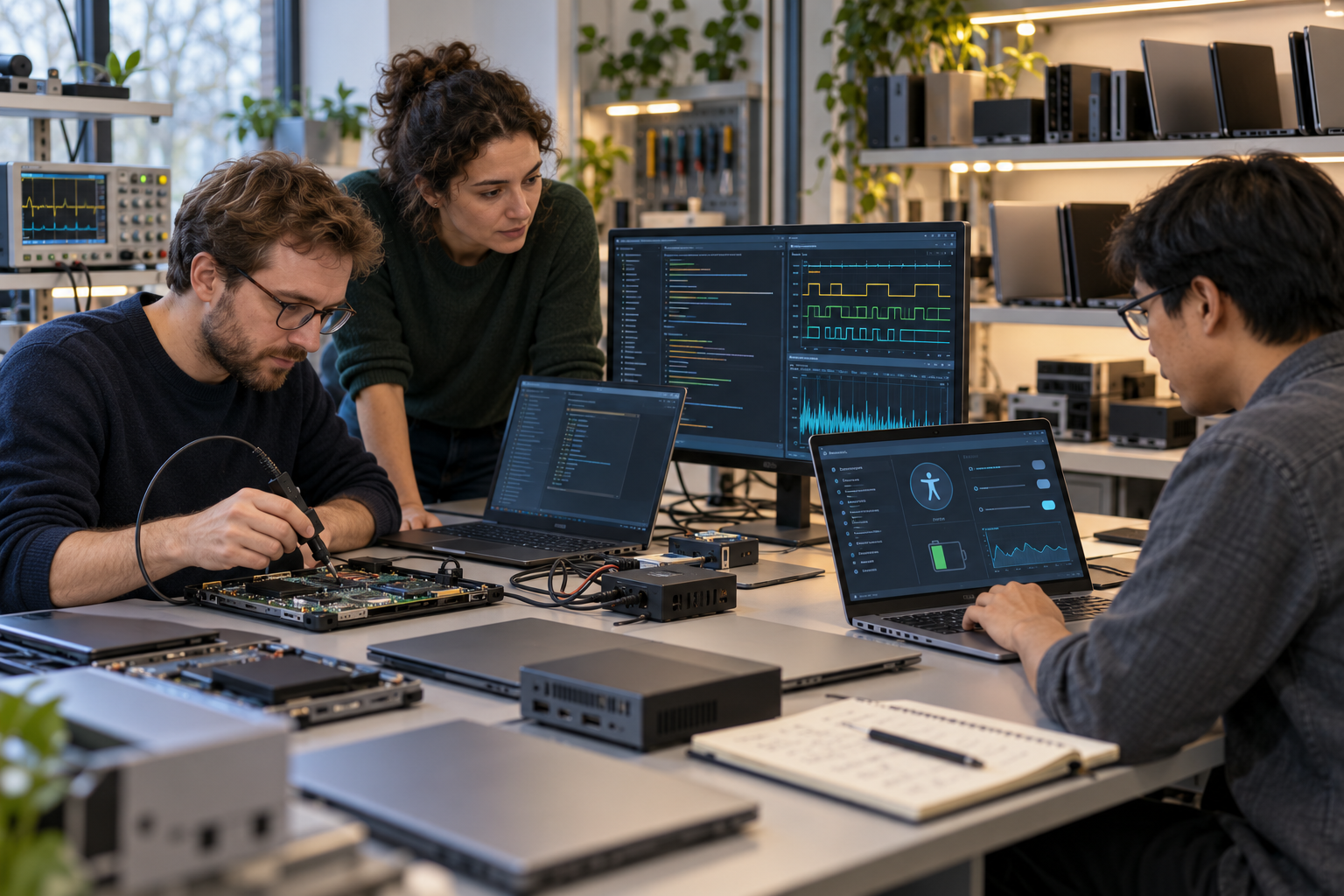
That model is common in the laptop industry but seldom explained so plainly. It means a Slimbook is not a Spanish-designed processor, display or base chassis. It also means the European work is more than retail: the company chooses platforms, validates Linux, defines configurations, completes systems, tests them and remains the support counterparty.
Linux products and support
Slimbook sells laptops and desktops across performance levels, often with several Linux distributions or Windows available. The Linux orientation is strengthened by company utilities and collaboration with free-software communities. Product generations can share an ODM foundation with computers sold under other names, so the differentiator is selection, configuration, validation, service and the relationship with the Linux ecosystem.
For buyers, the benefit is choice without pretending every user wants the same distribution. Developers and desktop-Linux users can order a ready configuration and a localised keyboard while retaining access to replaceable memory or storage on suitable models. Exact compatibility still belongs to the exact machine: fingerprint readers, high-resolution scaling, docks and discrete graphics deserve verification.
Repair and ownership evidence
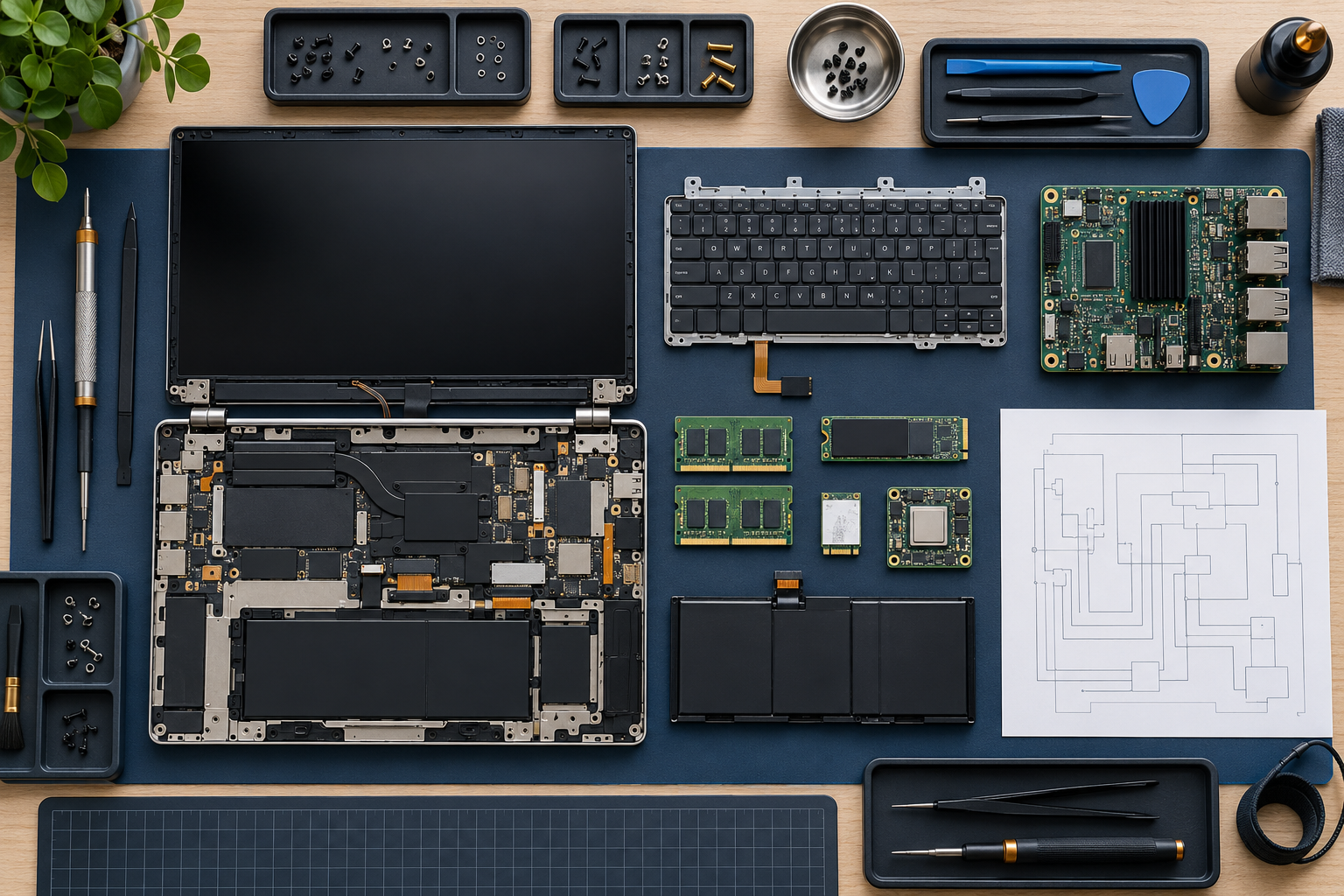
The repair story is practical rather than absolute. Slimbook promotes upgrades and Spanish technical service, but thin models and performance models differ in soldered components, battery access and cooling complexity. Ask for a service route and part availability before purchase, especially when the machine will travel far from Spain or serve as business-critical equipment.
The public company page identifies the Spanish business group and operating history but is not a complete public shareholder register. Federal Europa therefore describes the documented group relationship and Spanish operations without claiming a level of ultimate beneficial ownership not shown in the reviewed material. No non-European controlling parent was identified in the official sources used.
Why the model matters
Slimbook is worth European pride precisely because its honest supply-chain explanation makes the achievement credible. Europe may not fabricate the laptop's whole bill of materials, but a Valencia team can select, configure, test, support and improve computers for Linux users across the continent. The next step is deeper publication of model-specific parts, firmware lifetimes and repair documentation.