
The short answer
Star Labs is a British Linux-computer business selling laptops designed around supported Linux distributions and firmware choice. The current legal entity, Star Labs Systems Ltd, is an active private company registered in the United Kingdom. Companies House records one active, identity-verified person with significant control who owns at least 75% and resides in the UK.
What European control means
That register evidence answers the control question more clearly than a marketing flag. The controller's nationality is not the test of whether the company is European; legal control, residence and operating substance are. Treating ethnicity or birthplace as the criterion would be both inaccurate and contrary to the civic idea of Europe this project supports.
Linux, firmware and serviceable hardware
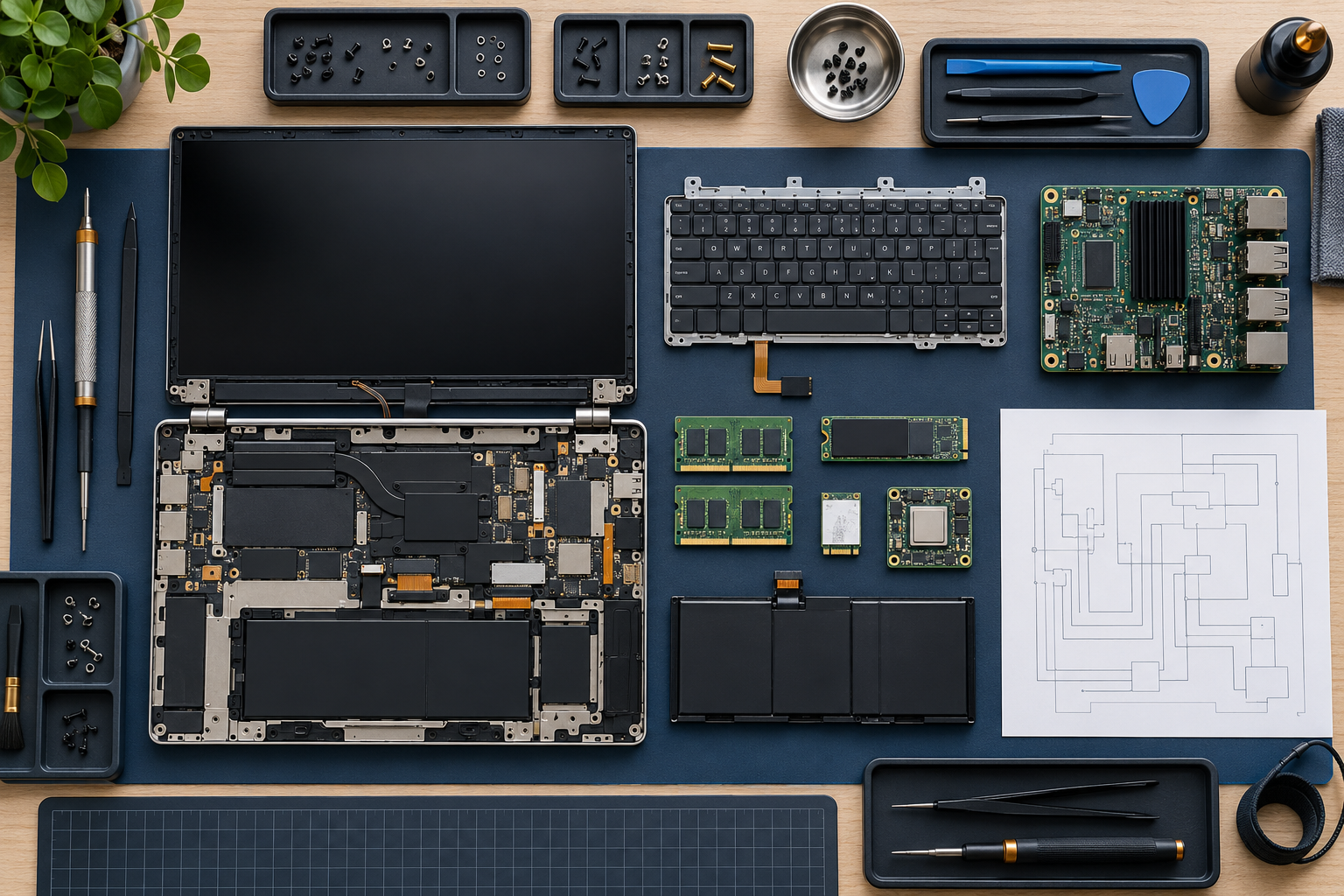
The product range is built for Linux rather than retrofitted after sale. Star Labs offers supported distribution choices, publishes firmware guidance and makes coreboot available for supported systems. Current product pages also emphasise replaceable components such as storage, memory or batteries where the design permits.
Like other small laptop makers, Star Labs depends on globally sourced processors, displays, memory, storage and manufacturing partners. The verified European contribution is company control, product selection, Linux and firmware engineering, documentation, quality responsibility and UK support. No evidence supports describing the whole hardware supply chain as British.
Who should choose Star Labs
Star Labs can suit a buyer who wants a clean Linux experience and open-firmware option in a more conventional laptop than MNT Reform. The small-company trade-off is a narrower service footprint and less fleet infrastructure than global enterprise brands. Confirm delivery status, return shipping and spare-part supply before making the machine a single point of failure.
Firmware choice deserves careful configuration. coreboot reduces reliance on a conventional proprietary boot stack but is not one universal feature set across every processor generation. Check Thunderbolt or USB4 behaviour, suspend, secure boot, measured boot, update mechanisms and the ability to recover from a failed flash on the exact model.
Lifecycle evidence and the next test
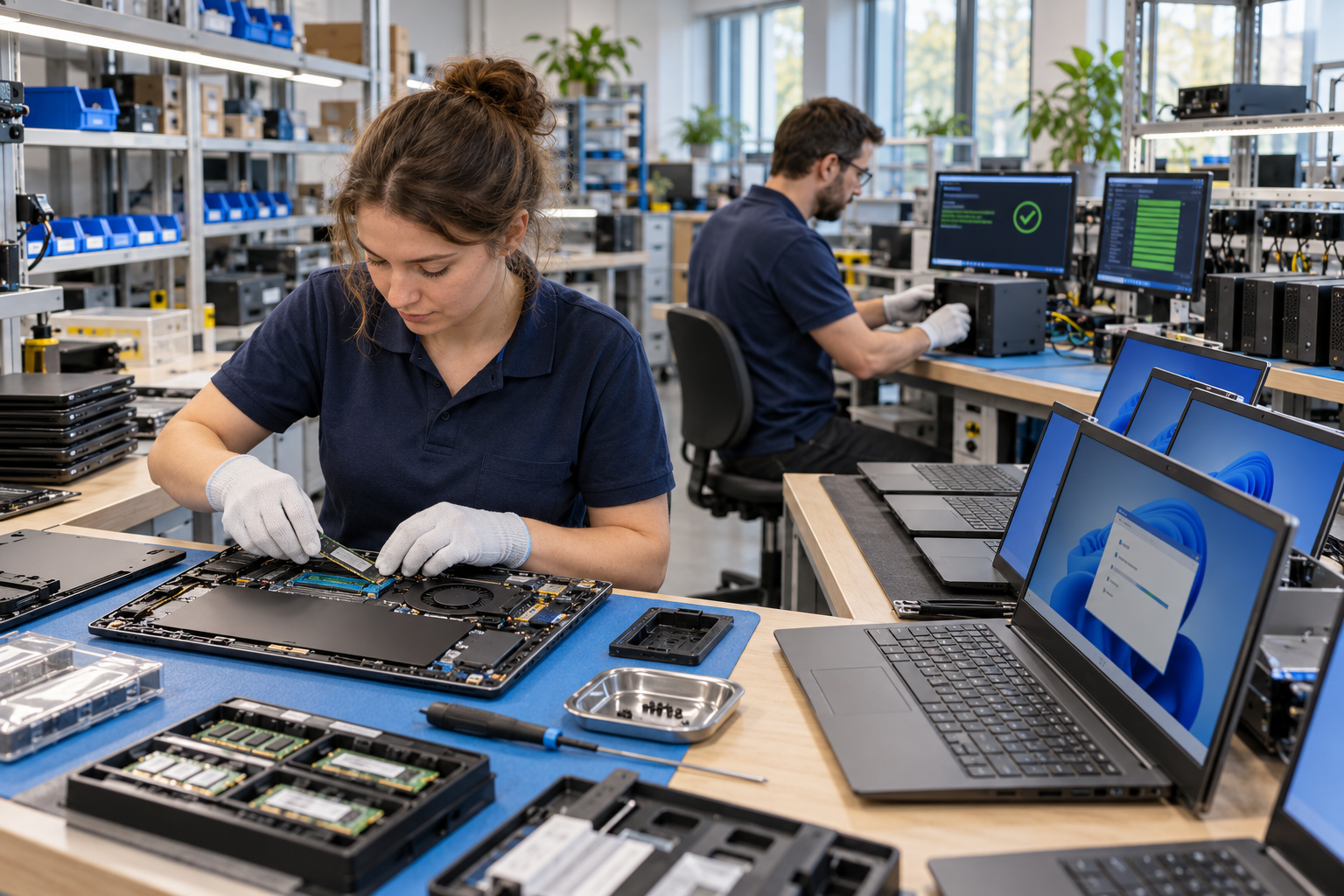
The company publishes a current firmware guide by model, which is a valuable sign of lifecycle responsibility. Buyers should compare dates, not only the presence of a page: a firmware option creates value when releases continue, vulnerabilities are communicated and an older machine remains recoverable.
Star Labs proves that a small European company can retain control of a computer product at strategically important layers. Its next test is scale without losing transparency: stable deliveries, long parts availability and published model lifetimes would make the British Linux ecosystem more resilient.