The short answer
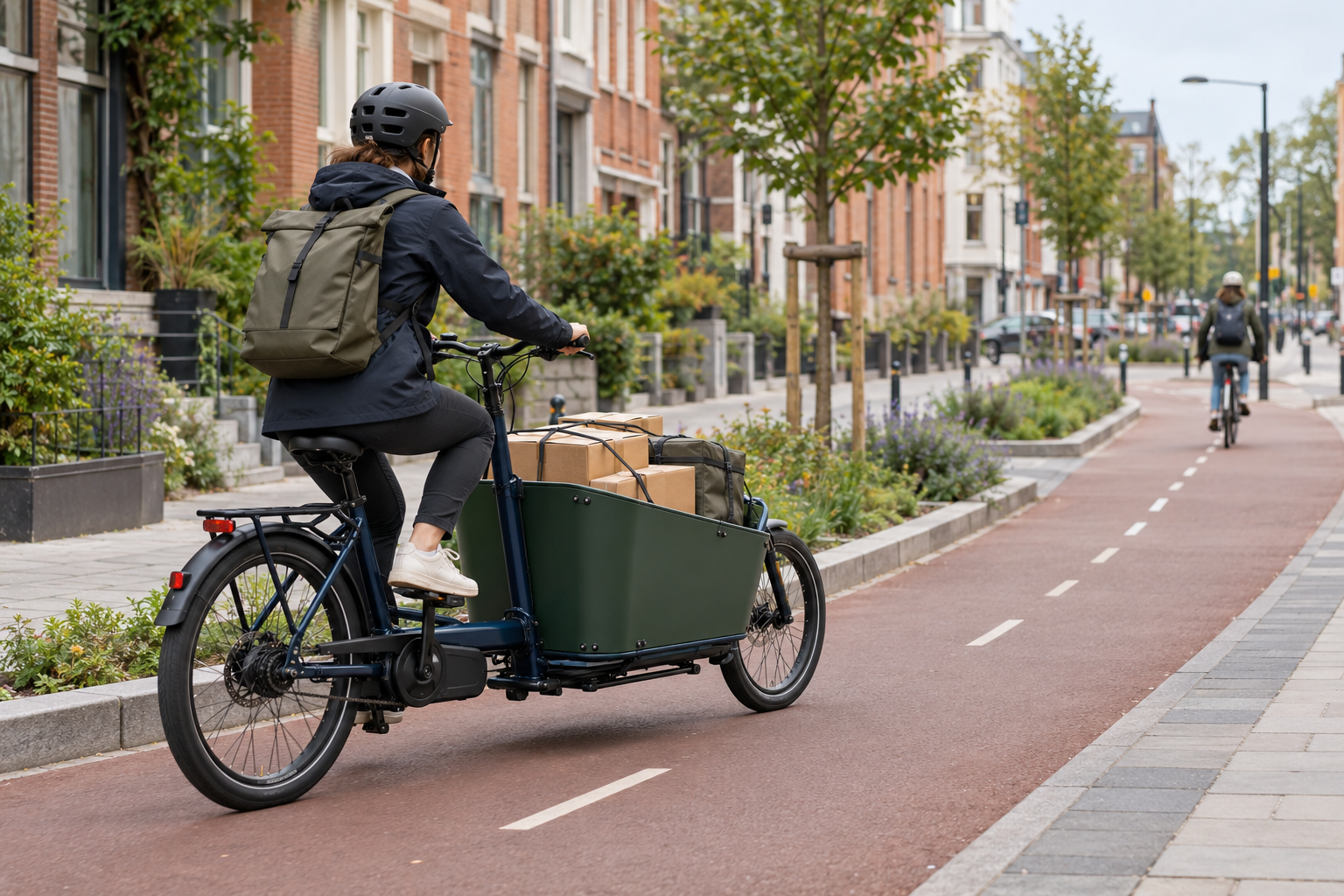
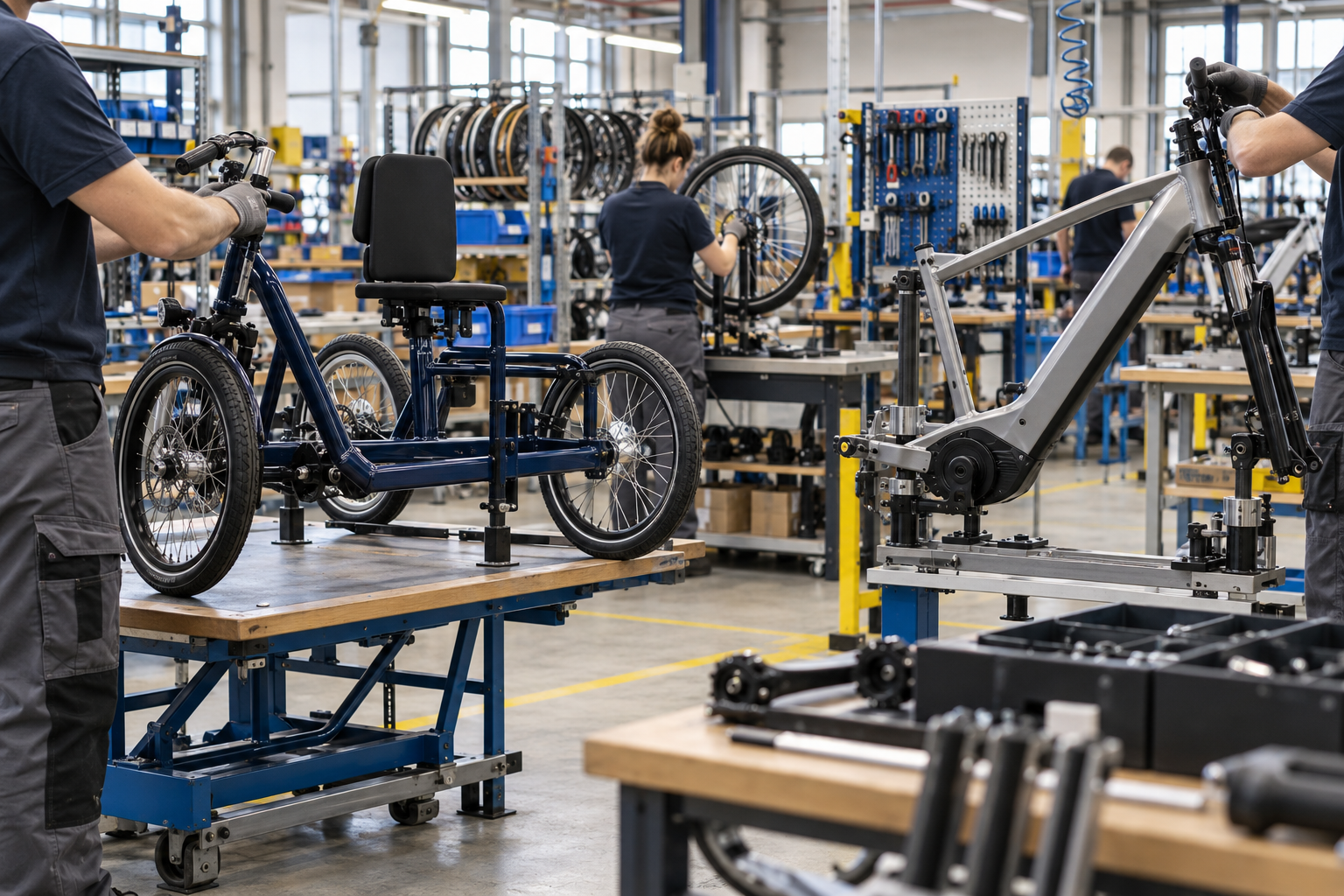
Riese & Müller builds electric bicycles for commuting, touring, carrying children and commercial work from a German base. The company says it works from initial idea through assembly exclusively in Germany and operates certified quality and environmental systems. Its factory responsibility is real even though Bosch, Rohloff, Enviolo, Suntour and other suppliers provide major systems.
A configured electric vehicle
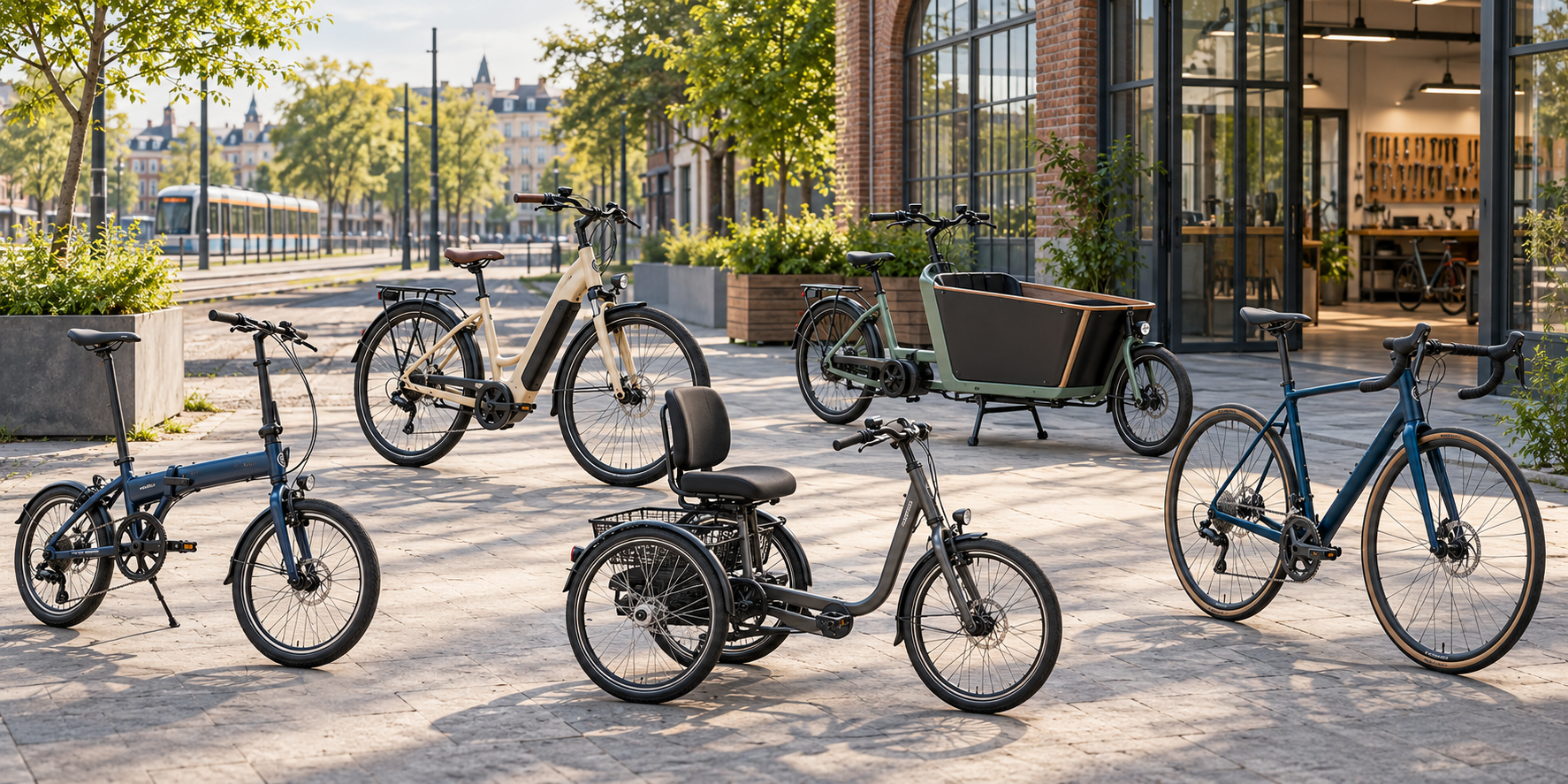
The range is configured rather than uniform. Frames, suspension, belt or chain drives, hubs, derailleur gears, batteries, cargo boxes and connectivity packages can change the character and cost of the bicycle. Buyers should compare complete builds, not assume that a model name identifies one standard machine.
Cargo-bike engineering
Cargo models demonstrate the engineering depth. Carrying children or goods requires stable steering, effective brakes, a strong stand, payload discipline and accessories tested for the intended use. Long front-loaders and compact longtails behave differently at walking speed, on cambers and when parking. A test ride should include realistic weight.
The dealer is part of the product
The dealer is part of the product. Riese & Müller directs warranty claims through the seller or selected service hub, and component defects may be handled with the relevant component manufacturer. That can make diagnosis efficient when the local shop is capable. It also means the buyer should evaluate the dealer's workshop, not only the bicycle.
Warranty and battery boundaries
The current voluntary guarantee includes five years against frame or rear-swing-arm breakage and a battery commitment of 60 percent capacity after two years or 500 full cycles, subject to registration, inspection and other conditions. This is not a promise that normal wear, every electronic fault or later battery replacement will be free.
Weight, storage and connectivity
Weight is a material limitation. Suspension, dual batteries, cargo equipment and large frames can produce a bicycle that is difficult to lift, transport or recover from a fall. Do not assume electric assistance solves stairs or manual handling. Measure doors, lifts and parking spaces and practise using the stand.
Connectivity and anti-theft services can add reassurance, trip records and location functions. They also introduce subscriptions, applications, accounts and communications hardware. Ask what remains available without the service, how long the module is supported and whether insurance conditions require particular locks or tracking behaviour.
Why Europe can be proud
Riese & Müller is a Proud Europe story because it treats electric bicycles as serious vehicles built through German engineering, final assembly, dealer craft and long-term maintenance. The next test is affordability and lifecycle cost: premium engineering matters most when the battery, electronics, software and specialist parts remain supportable for the years the frame can last.