The short answer
Bittium is a specialist Finnish smartphone maker for security-sensitive organisations. It designs and manufactures Tough Mobile 2 in Finland and integrates the handset with its SafeMove device-management, VPN and secure-communications software. The next-generation Tough Mobile 3 has been announced for availability in 2027, so a buyer in October 2026 must distinguish an orderable mature platform from an upcoming product.
Hardware designed for a different mission
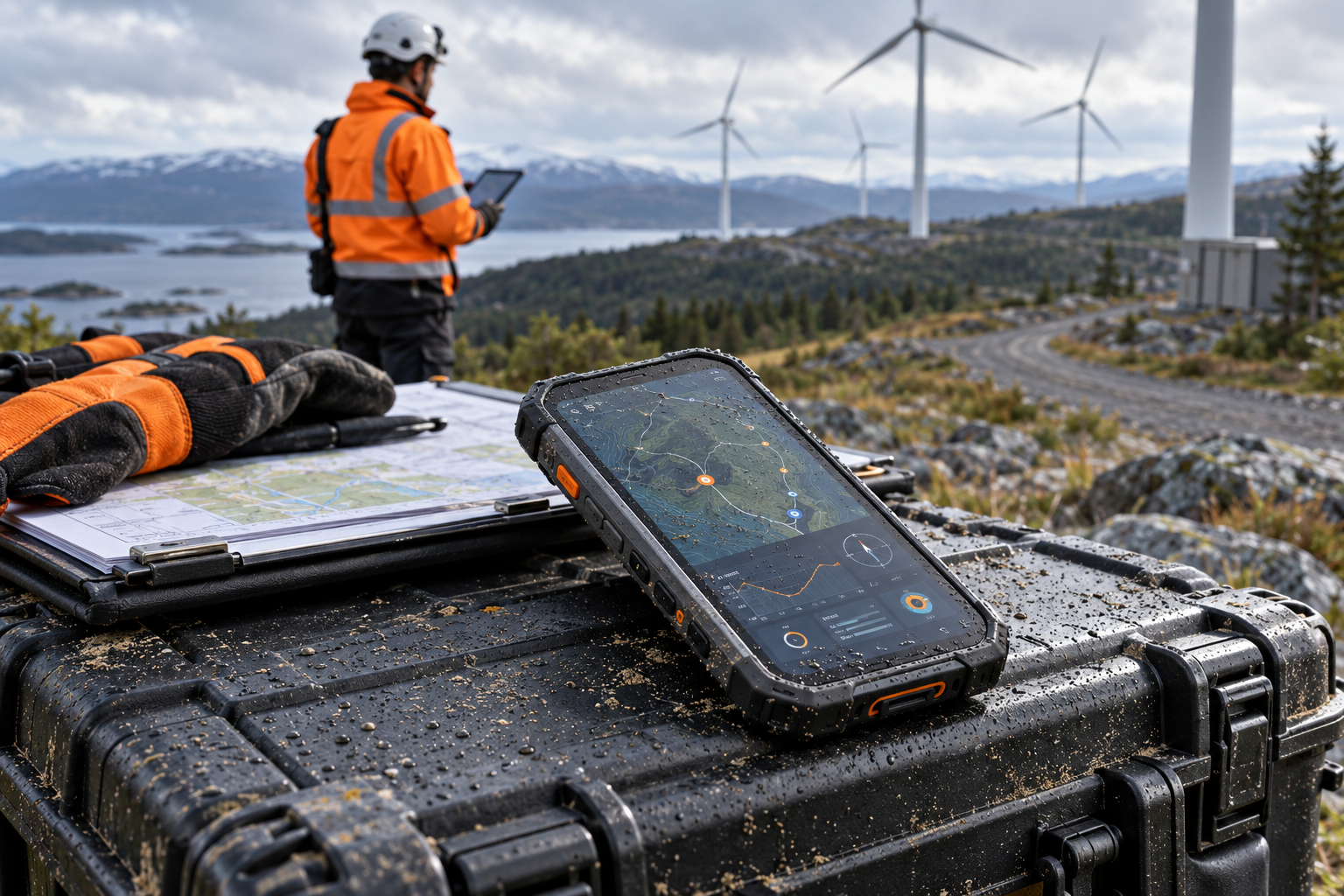
Tough Mobile 2 hardware reflects a different design brief from a consumer flagship. The current specification lists a 5.2-inch display, Snapdragon 670, 4 GB of memory, 64 GB of storage, dual SIM, microSD, IP67 and MIL-STD-810G resistance. Bittium's own FAQ says security updates are available until the end of 2027. That near-term boundary is material: new long-lived deployments should evaluate the Tough Mobile 3 roadmap rather than treating Mobile 2 as an indefinite platform.
Secure element, tamper detection and privacy mode
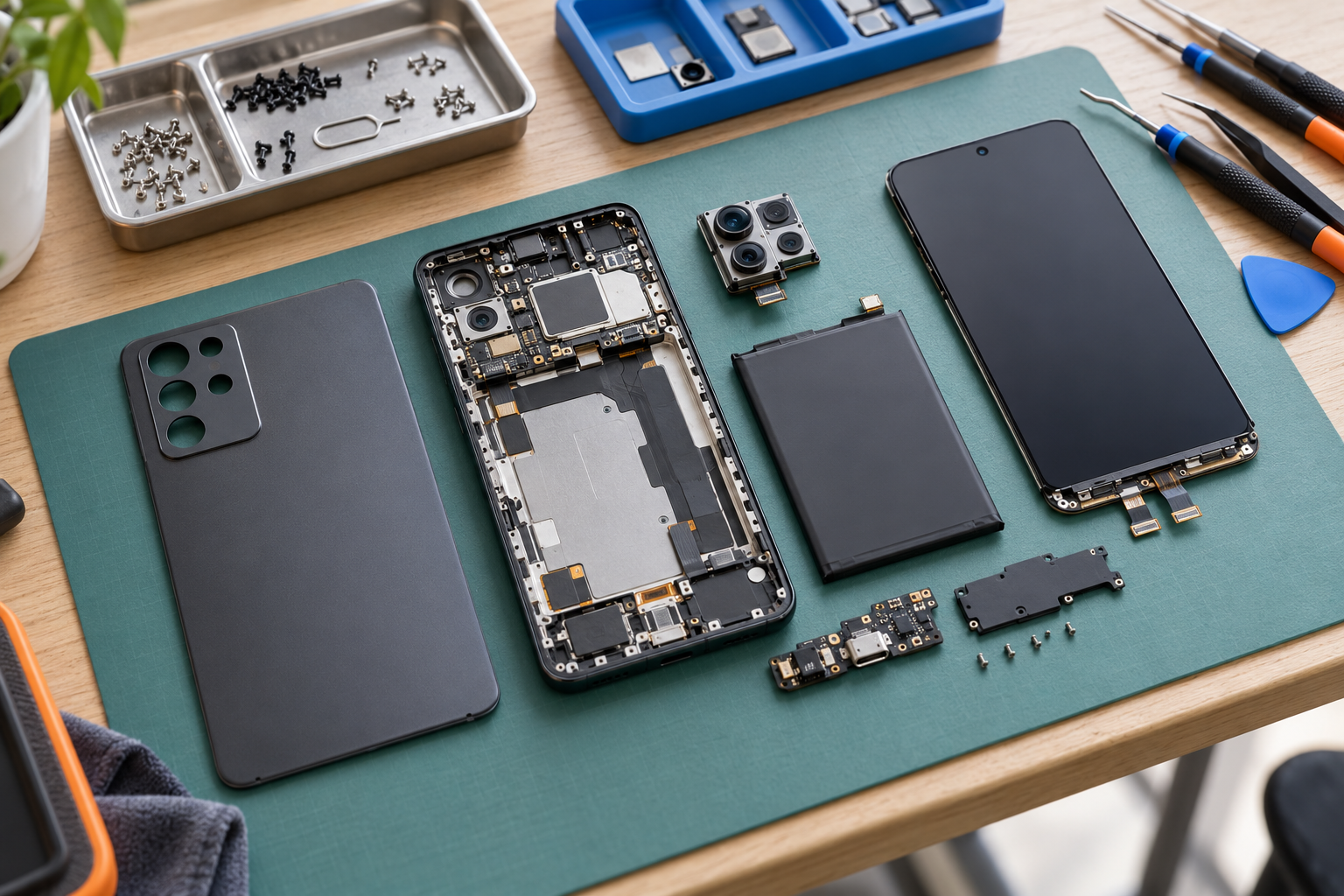
Security is layered. A dedicated secure element stores keys and supports authentication and encryption. Secure boot validates hardware and software integrity. Tamper detection is designed to reveal physical interference. A hardware privacy mode disconnects microphones and cameras, disables Bluetooth and reduces sensor accuracy. These mechanisms reduce particular risks; none makes unsafe applications or weak organisational practice harmless.
Variants and certification boundaries
Bittium offers variants with or without Google Mobile Services and a specialised C model with separated operating environments. Certification claims apply to defined product, software and configuration combinations. A logo or a phrase such as NATO Restricted should never be transferred to a different setup without checking the exact approval scope.
Who can buy it and who should
The phone is available through direct and partner channels, but ordinary consumers are not the primary audience. Pricing, lifecycle, management tools, secure calling, deployment support and certification depend on the organisational package. A buyer looking for photography, gaming or app novelty would be comparing the wrong criteria.
What Finnish manufacturing means
European manufacturing matters here because security customers may require supply-chain oversight, audit access and known production responsibility. Even so, the device uses globally sourced technology, including a Qualcomm platform. Finnish assembly and supervision are meaningful controls, not proof that every component originated in Finland.
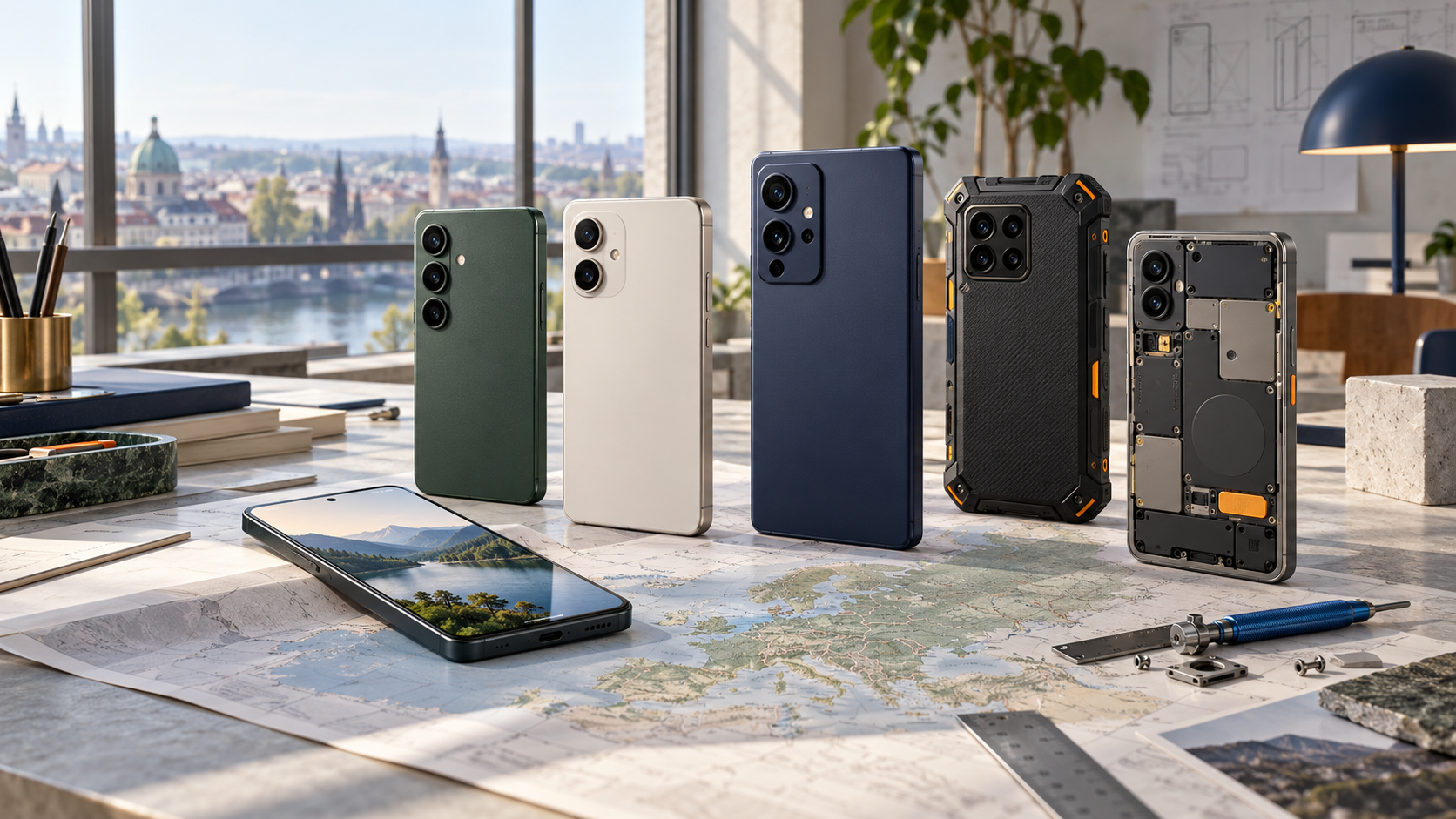
Choose Bittium when the organisation has a documented threat model, needs managed encrypted communications and can operate the supporting infrastructure. Crosscall is a better comparison for rugged general field work; an ordinary HMD, Fairphone or Nothing device is more appropriate for normal consumer use.
Procurement begins with accreditation and operations, not the retail specification. The buyer needs to know which authority accepts the device, which software build is approved, how keys are generated and recovered, who can administer it, where logs go and what happens when a handset is lost or suspected of tampering. Security features without procedures can create confidence without control.
The older-looking platform can be rational in a certified product because changing a processor or operating-system base can restart engineering, testing and approval work. That stability has a cost: application expectations, radio standards and vulnerability exposure keep moving. Bittium and the customer must therefore sustain patches and a clear replacement roadmap rather than treating certification as permanent safety.
Privacy mode also needs precise language. Disconnecting cameras and microphones and disabling Bluetooth addresses powerful surveillance paths, while cellular radios, Wi-Fi, location methods and user applications involve other controls. The correct mode depends on the meeting, facility and policy. Organisations should train users to recognise the indicator and understand what remains active.
The verdict is that Bittium preserves a strategically important European capability that mass-market share alone would miss. Tough Mobile 2 proves the architecture and production model; Tough Mobile 3 is the next test. Value should be measured in trustworthy deployment, certification discipline, update continuity and secure organisational communication—not high-street unit sales.