The short answer
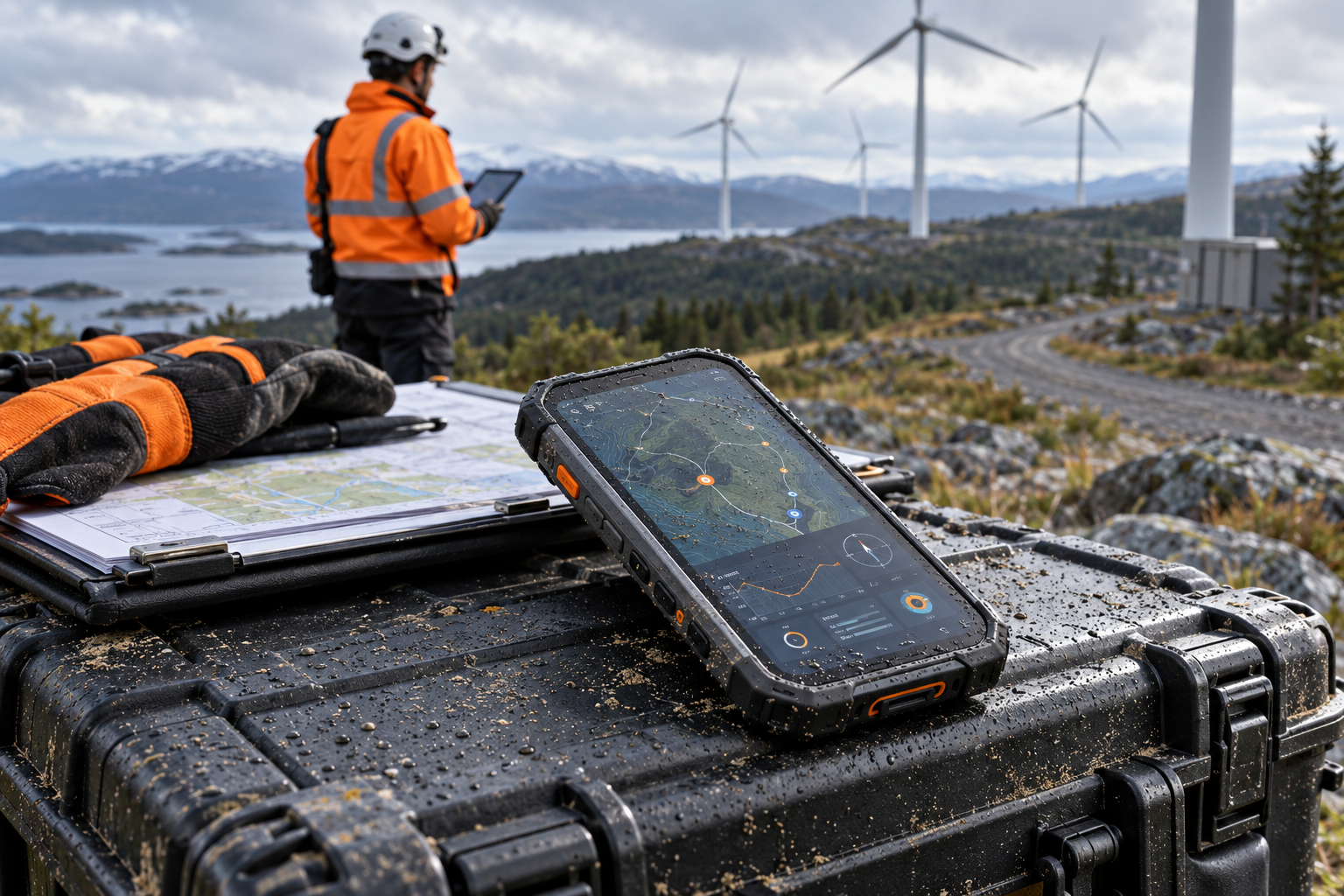
Crosscall is Europe's most established rugged-phone specialist in this cluster. Founded in France and based in Aix-en-Provence, it designs waterproof, shock-resistant smartphones and accessories for outdoor users, technicians, transport staff, public safety and other field work. The company's own history emphasises use cases where an ordinary glass phone becomes a weak link.
The current rugged-phone proposition
The STELLAR-X5s shows the current proposition: a 5G Android phone with a 6.5-inch high-refresh display, a Qualcomm platform, programmable buttons, glove and wet-touch support, IP68 protection, saltwater and disinfectant resistance, broad operating temperatures and a five-year warranty that includes the battery. It is heavier and more specialised than a normal lifestyle phone because survival and connectivity are design priorities.
What is French about Crosscall
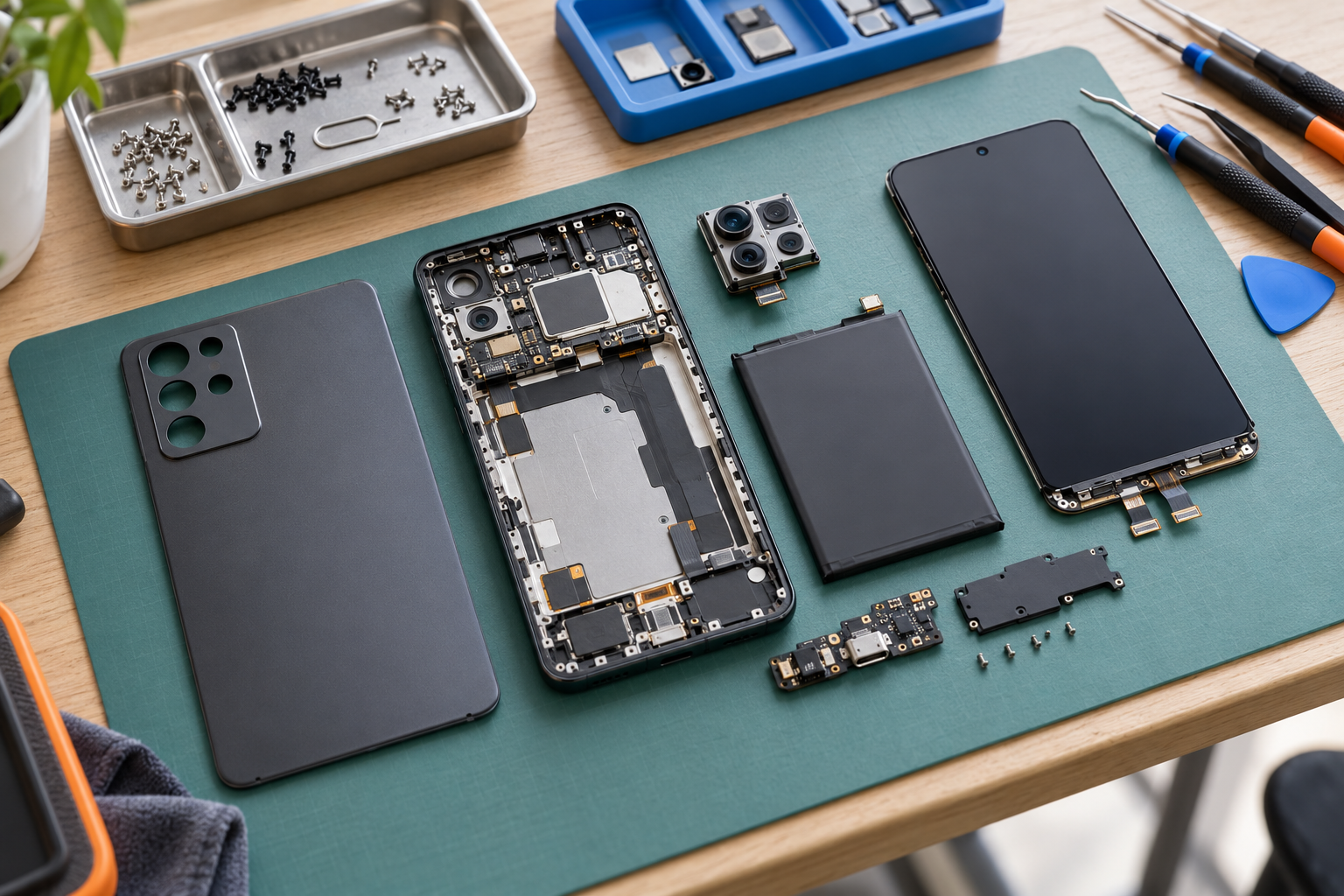
Crosscall develops product and R&D capability in France and says its capital remains French. Its phones use a global component and manufacturing chain. The right European claim is that rugged mobile product definition, testing, software integration, accessories and customer relationships are controlled from France—not that every part is French.
Durability and its limits
Durability can reduce total cost when a phone survives drops, water and long shifts that would destroy a conventional device. It can also add weight, bulk and price. An IP rating is measured under specified laboratory conditions, not a promise against every liquid, impact, pressure, open port or ageing seal. Warranty exclusions still matter.
Accessories and fleet value
Professional value extends beyond the handset. Crosscall's X-LINK mounting and charging system, programmable buttons, push-to-talk compatibility and desktop-style options can support vehicles, warehouses and field workflows. This ecosystem can be useful; it also creates accessory dependence that should be evaluated in procurement and exit planning.
Software longevity is central to a professional fleet. Crosscall publishes model-specific security support and Android-upgrade commitments. The STELLAR-X5s page lists planned upgrades and support into the next decade. Procurement teams should convert those public claims into contractual patch cadence, response, replacement and spare-part terms.
Who should choose Crosscall
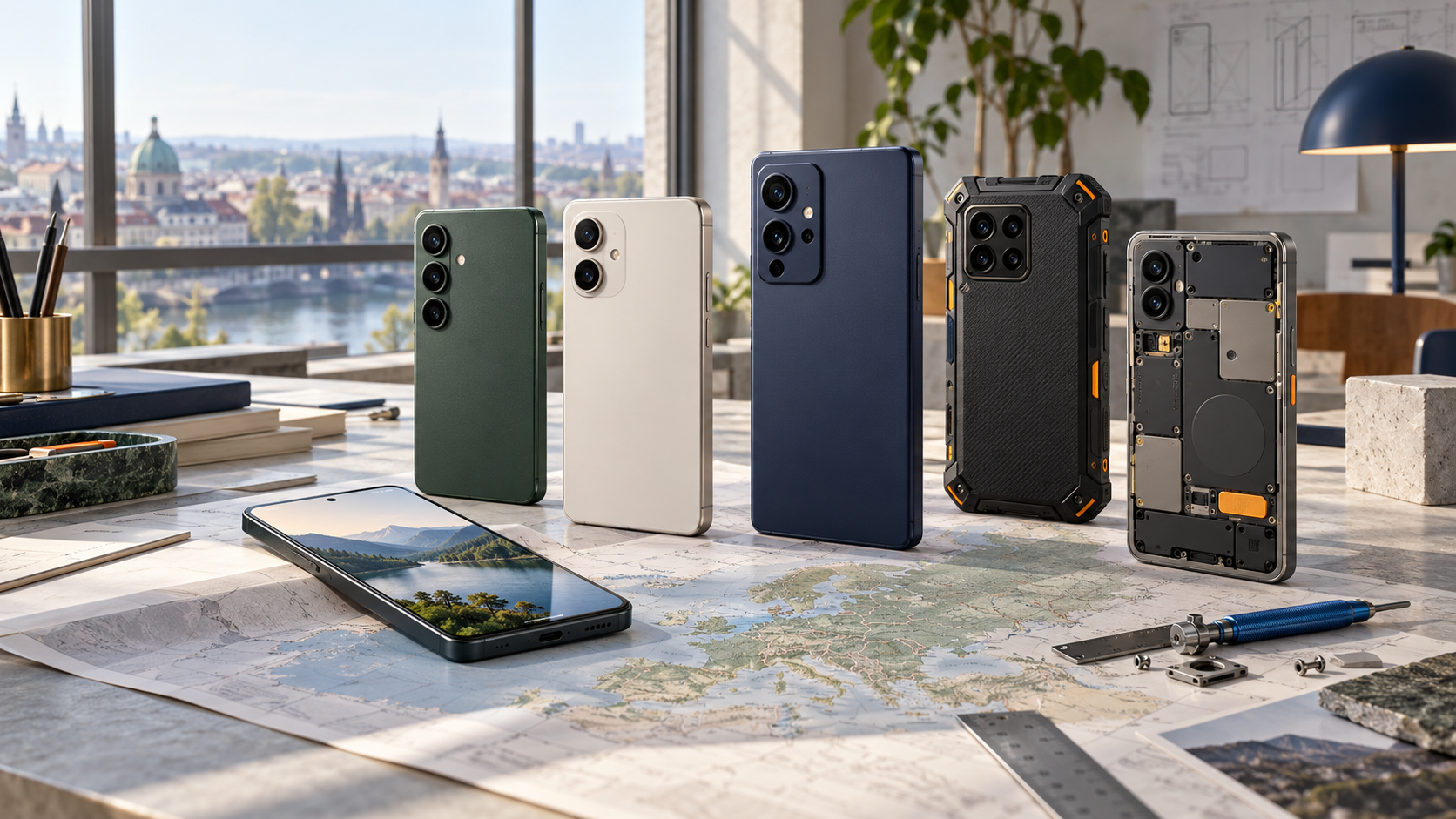
Choose Crosscall when drops, water, gloves, noisy work, mounts and long deployment matter more than a thin body or best-in-class computational photography. An ordinary consumer should buy one only if those qualities solve a real problem; ruggedness is not automatically better for a desk job.
A field pilot is more valuable than a showroom impression. Workers should test the phone with gloves, rain, protective clothing, vehicle mounts, charging cradles, barcode or inspection software and the actual mobile networks used along the route. Audio in machinery noise and battery life during continuous GPS or push-to-talk use are especially difficult to infer from a specification sheet.
Repairability and durability solve different problems. A rugged enclosure aims to prevent failure, while parts and service determine what happens after failure. Crosscall says spare parts remain available for long periods on relevant models; procurement should name the required batteries, screens, ports and accessories, the service location and maximum turnaround time rather than relying on a general durability statement.
Security also needs model-level evidence. Android Enterprise support, patch dates and planned OS upgrades are more useful than the vague idea that a professional phone must be secure. Public-safety or infrastructure buyers may additionally require certified communications, private-network bands, managed applications and documented vulnerability handling. Those capabilities should be contracted, configured and tested rather than inferred from a rugged case.
The verdict is that Crosscall demonstrates serious French capability in a valuable industrial niche. Its next European opportunity is to make field devices, repair, secure communications and long lifecycle procurement work consistently across borders and public services.