The short answer
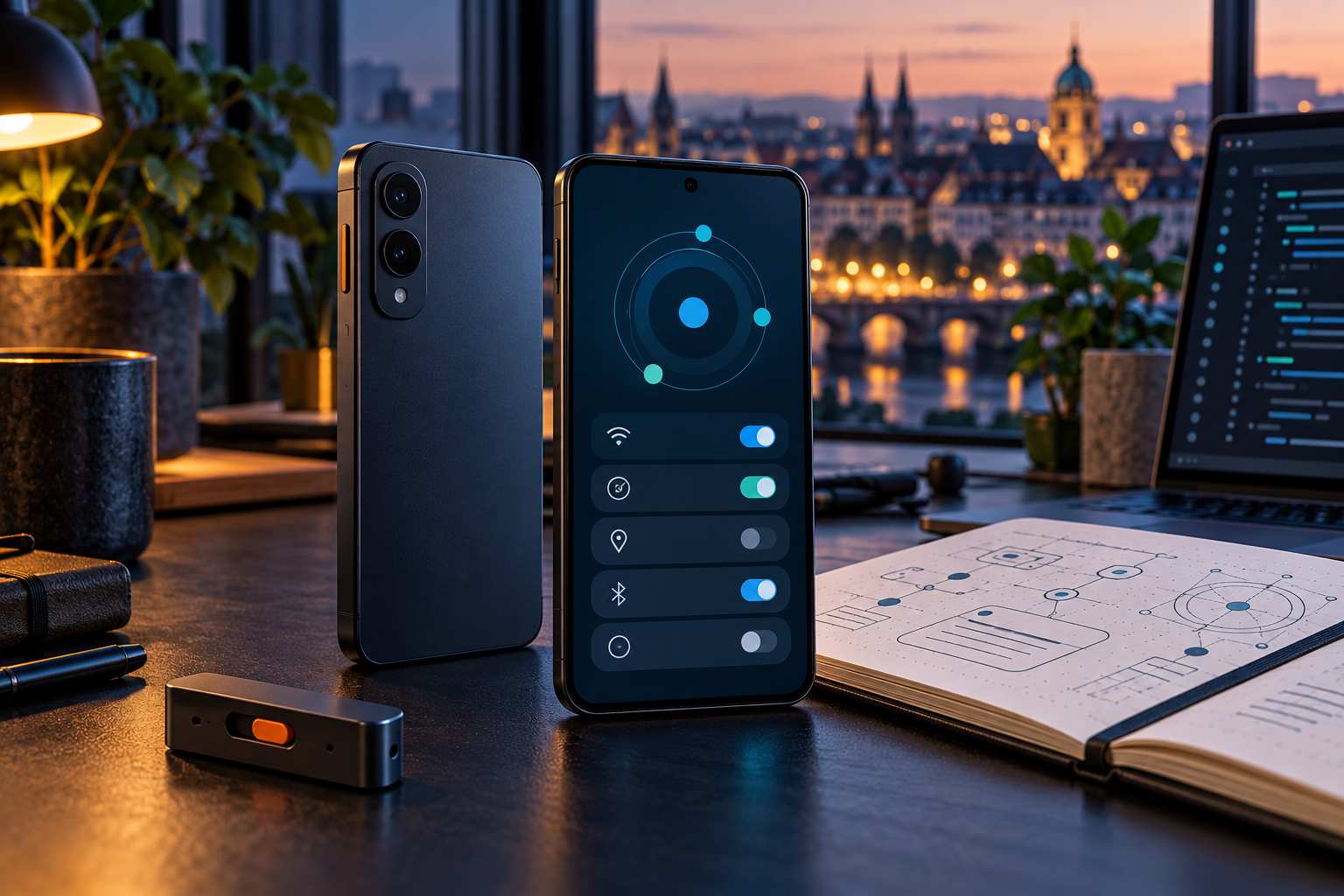
Murena is the commercial smartphone and services project built around /e/OS. Based in France, it sells phones with the operating system installed, maintains cloud and account services and supports a route for compatible existing devices. The proposition is easier to understand as a European mobile ecosystem vendor than as one conventional hardware manufacturer.
What /e/OS changes
/e/OS starts from the Android Open Source Project and removes or replaces many Google applications and service connections. Murena provides its own account, mail, storage, search and app catalogue. An Advanced Privacy feature can surface trackers and offer controls such as IP masking and location obfuscation. These tools change defaults; they do not make all installed applications private.
Hardware choices and responsibility
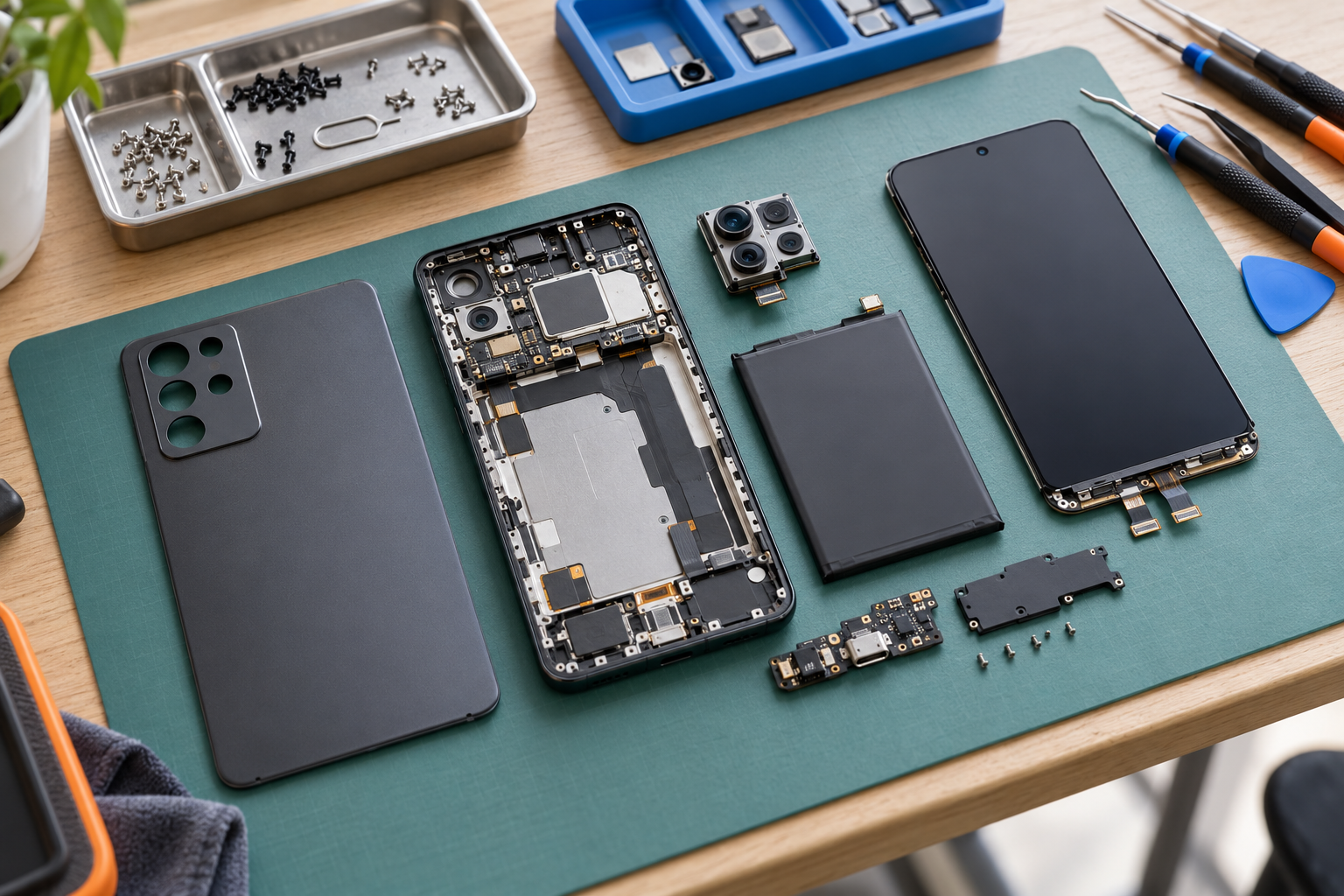
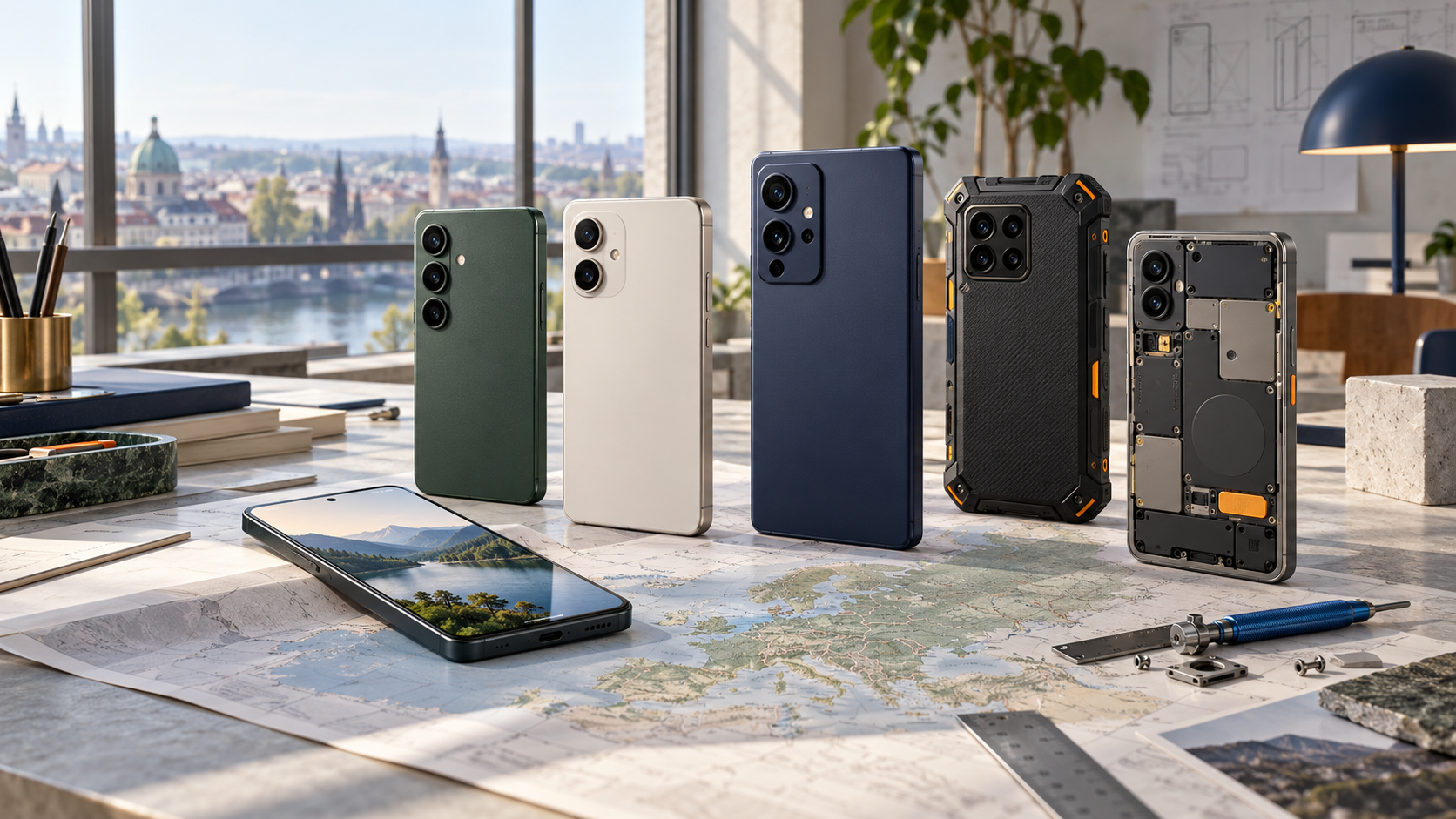
The current hardware range varies by region and can include Fairphone models with /e/OS, Murena-branded GS devices and specialist partner hardware. This flexibility is a strength because buyers can pair privacy-oriented software with repairable hardware. It also means that camera quality, battery, bands, repair, update period and warranty depend on the exact handset as well as /e/OS.
App compatibility
App Lounge combines open-source applications with access to many Android apps. A compatibility layer can replace parts of Google Play services. Most is not the same as all: banking, payment, identity, corporate-management, streaming or games can require certification, integrity checks, proprietary Google interfaces or digital-rights systems. Murena cannot guarantee every third-party developer's behaviour.
Privacy boundaries
A de-Googled phone still communicates with mobile operators, websites, app developers, cloud providers and advertisers chosen by the user. The hardware firmware and baseband are not magically open because the main operating system is. Strong privacy comes from a narrower set of accounts, careful permissions, trustworthy apps, prompt updates and a realistic threat model.
Murena's partnership with Fairphone is especially coherent: modular hardware and long support meet a de-Googled operating system. But buyers should distinguish the two companies' responsibilities, warranty conditions and update channels. Installing another system yourself can also differ from purchasing a supported Murena configuration.
Who should choose Murena
Choose Murena when you want a supported, consumer-friendly path away from stock Google Android and are willing to test essential apps. Choose Volla or Jolla when their interface, Linux pathway or operating-system model fits better; choose ordinary Android when maximum app and enterprise compatibility matters more than reducing platform dependence.
Migration should be planned rather than romanticised. Contacts, calendars, photos, messages, authenticator tokens, passkeys and paid applications may sit in several old accounts. Export them before switching, keep recovery codes offline and avoid factory-resetting the old phone until banking, identity and two-factor authentication have been proven on the new one. Privacy improves little if a rushed migration causes an account lockout.
Murena Workspace makes the proposition broader than a handset. A buyer can use mail, storage and account services from the same European-directed ecosystem, which can simplify setup and reduce Google dependence. It also concentrates trust in another provider. Check encryption boundaries, recovery, export, storage location, subprocessors and what happens to local data if a subscription ends.
Organisations should distinguish personal privacy features from managed security. Tracker controls and IP masking can help an individual, while a fleet also needs device policy, remote wipe, update reporting, application governance, incident response and contractual support. /e/OS may be appropriate for some deployments, but it should pass the same structured pilot as any other enterprise platform.
The verdict is that Murena makes a European software choice purchasable rather than purely theoretical. Its next test is transparent compatibility reporting, fast security maintenance, sustainable infrastructure and a support experience that gives non-experts confidence when an app or update behaves differently.