The short answer
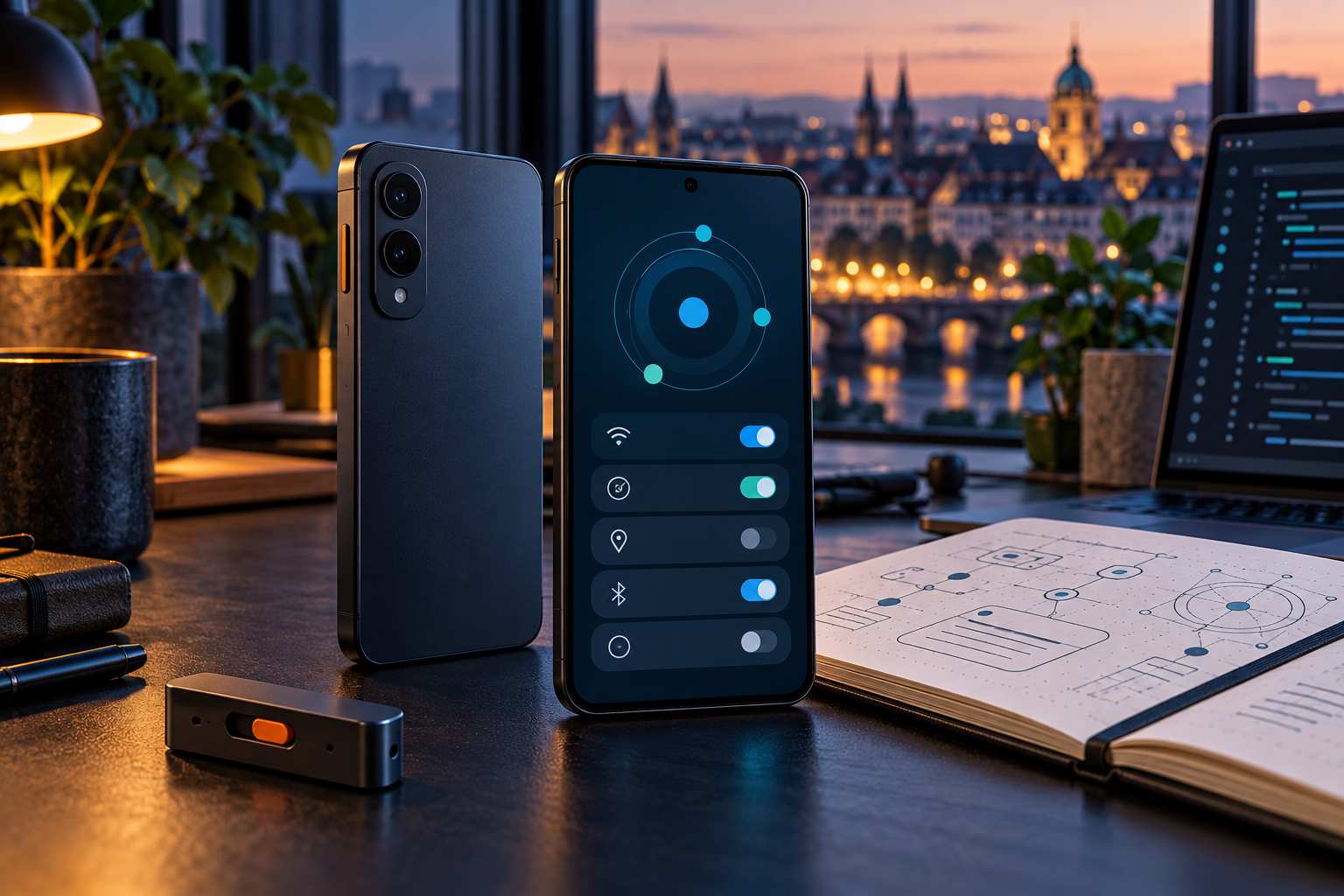
Volla is a small German smartphone maker built around software choice and digital self-determination. Its devices can be ordered with Volla OS, based on the Android Open Source Project without Google apps and services, or Ubuntu Touch, a mobile Linux system supported with the UBports community. Some models support multi-boot, letting one device carry more than one system.
Current Volla phones
The current range includes the Volla Phone Quintus, Plinius and rugged X23 alongside a tablet. Quintus is the conventional flagship-style option, with a MediaTek Dimensity 7050 processor, 8 GB of memory, 256 GB of storage, a large AMOLED display, 5G and a triple-camera system. Plinius and X23 answer different durability and expansion needs. Availability and specification should be checked on the live comparison page.
Volla OS and app compatibility
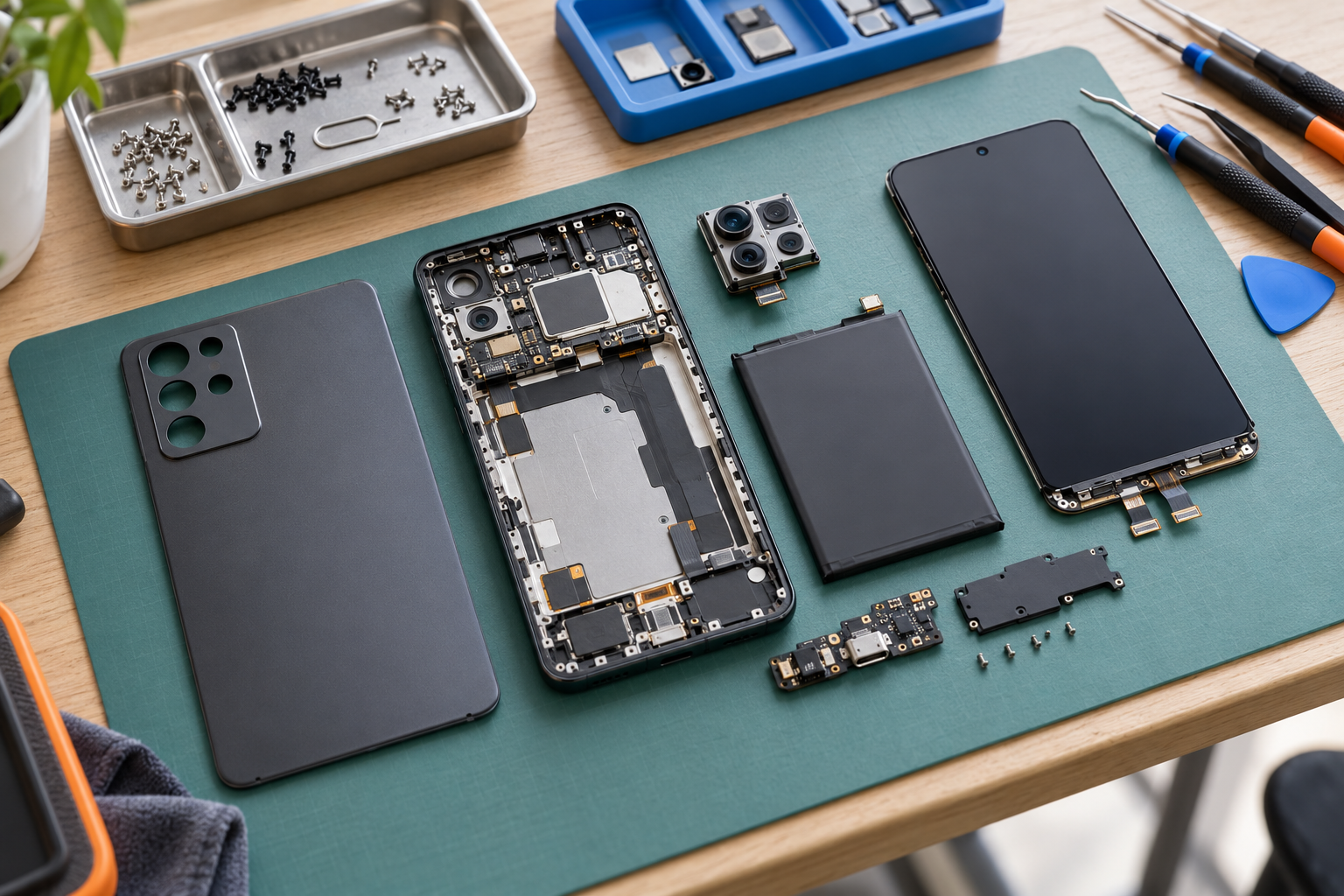
Volla OS replaces the stock Google-centred experience with its own launcher, privacy controls and selected services. It can use microG for applications that expect Google interfaces. That can reduce routine data flows and account dependence, but it does not make every Android application work or remove tracking inside third-party apps.
Ubuntu Touch and multi-boot
Ubuntu Touch is the more radical option. It keeps a Linux mobile stack alive and can suit open-source enthusiasts, public-sector experiments and specialised users. It does not provide the same Android application catalogue. Banking, identity, transport, camera and media workflows must be tested rather than assumed.
What is German about Volla
Volla describes itself as an independent German manufacturer and cites German production relationships. The details can vary by generation and partner, so the responsible claim is that Volla controls the product and operating-system direction from Germany and offers European software options—not that every component is German.
Multi-boot is strategically interesting because it treats the phone as a general computing device rather than a single locked appliance. It also increases complexity. Storage allocation, update order, backups, boot configuration and recovery need documentation, and a buyer must understand which system the warranty and support team can troubleshoot.
Who should choose Volla
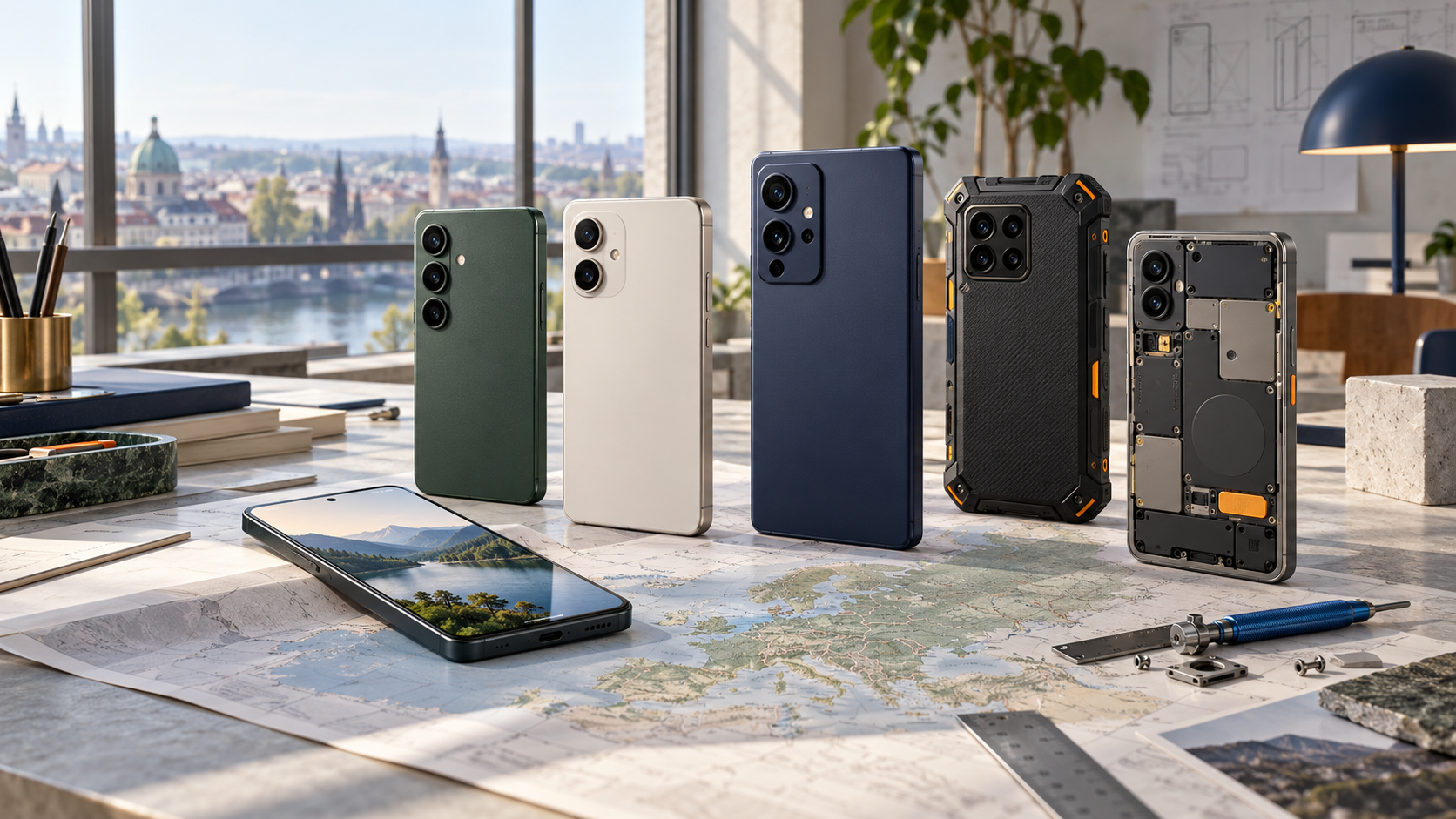
Volla suits buyers who deliberately want Google-free Android, Ubuntu Touch or an experimental bridge between them and who accept a smaller support ecosystem. It is a poor impulse purchase for someone whose livelihood depends on several proprietary Android apps that have not been tested.
Daily usability depends on details that sovereignty discussions often skip. Navigation must find the destination, camera software must expose the hardware well, push notifications must arrive, Bluetooth must pair with the car or hearing device, and emergency alerts must work. A buyer should run these tasks during the return period and document any workaround before moving a primary number or deleting the old phone.
The operating-system choice also changes the support path. Volla can support its hardware and Volla OS, while Ubuntu Touch development involves the UBports ecosystem and application developers maintain their own software. When reporting a problem, the user may need to identify whether it belongs to hardware, firmware, the operating system, a compatibility component or one application. Clear logs and reproducible steps matter more in a small ecosystem.
For public administrations and researchers, that complexity can be worthwhile. An Android-derived Google-free system or mobile Linux platform creates room for controlled services, local applications and experiments not dictated by the largest mobile vendors. A pilot should still measure patch delivery, device management, accessibility, user training and total support cost before any large deployment.
The verdict is that Volla preserves valuable European mobile-software and hardware-integration skill. Its next test is boring but decisive: predictable updates, stable app compatibility, parts and repair, clear model lifecycles and documentation strong enough for ordinary people—not only enthusiasts—to keep control.