The short answer
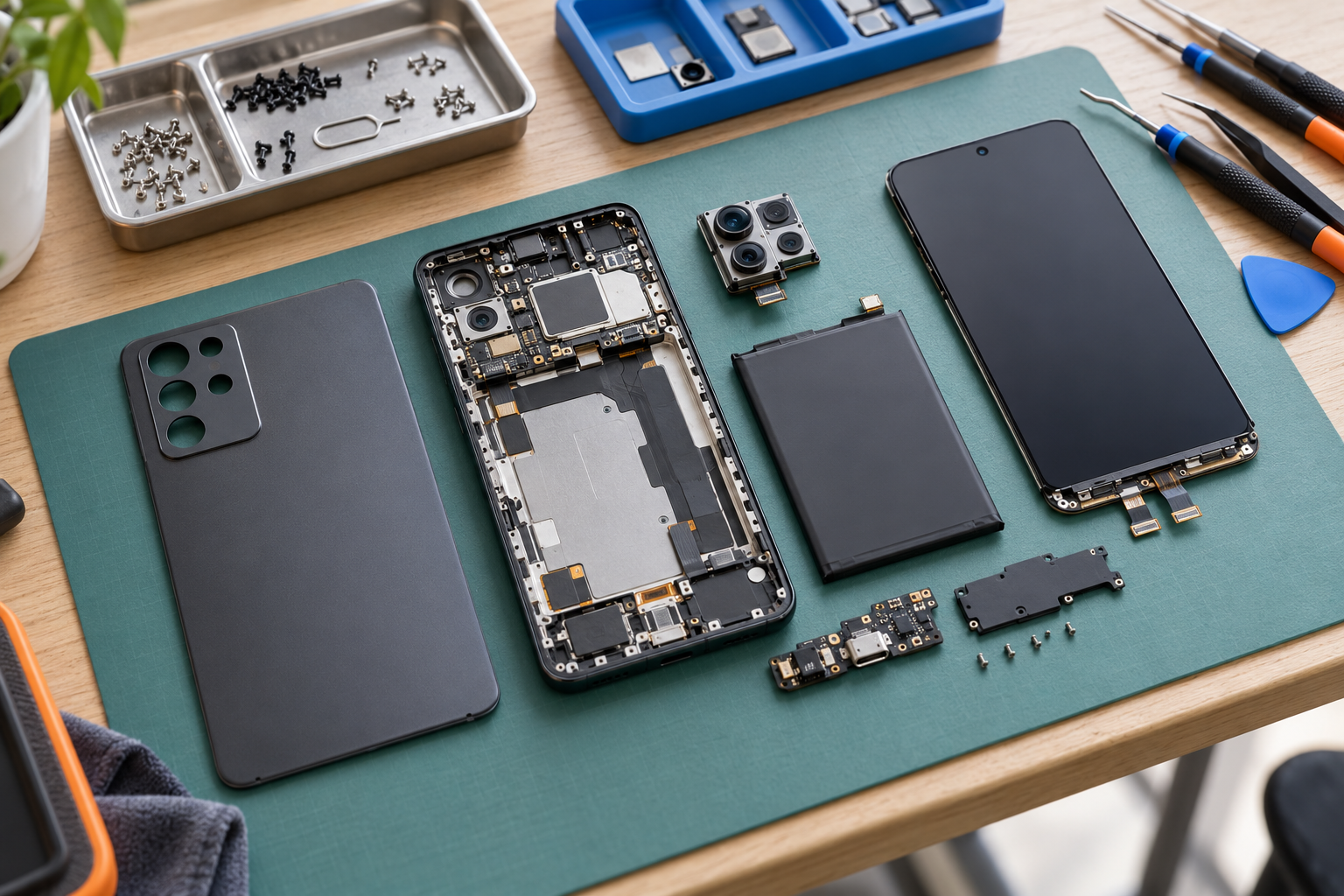
SHIFTphone is one of Europe's clearest repair-first smartphone projects. The German family company designs its phones in Falkenberg and presents the SHIFTphone 8 around modular construction, long use and fairer production. It is a smaller proposition than Fairphone, but the comparison is legitimate because repairability is built into both the hardware and the company's commercial story.
Hardware and current specification
The SHIFTphone 8.1 currently lists a Qualcomm QCM6490 platform, 12 GB of memory, 512 GB of storage, a 6.67-inch AMOLED display, dual 50-megapixel rear cameras, 5G, eSIM capability, wireless charging and microSD expansion. Specifications can change between production variants, so buyers should use the live shop rather than an early preorder announcement.
Modular repair and privacy switches
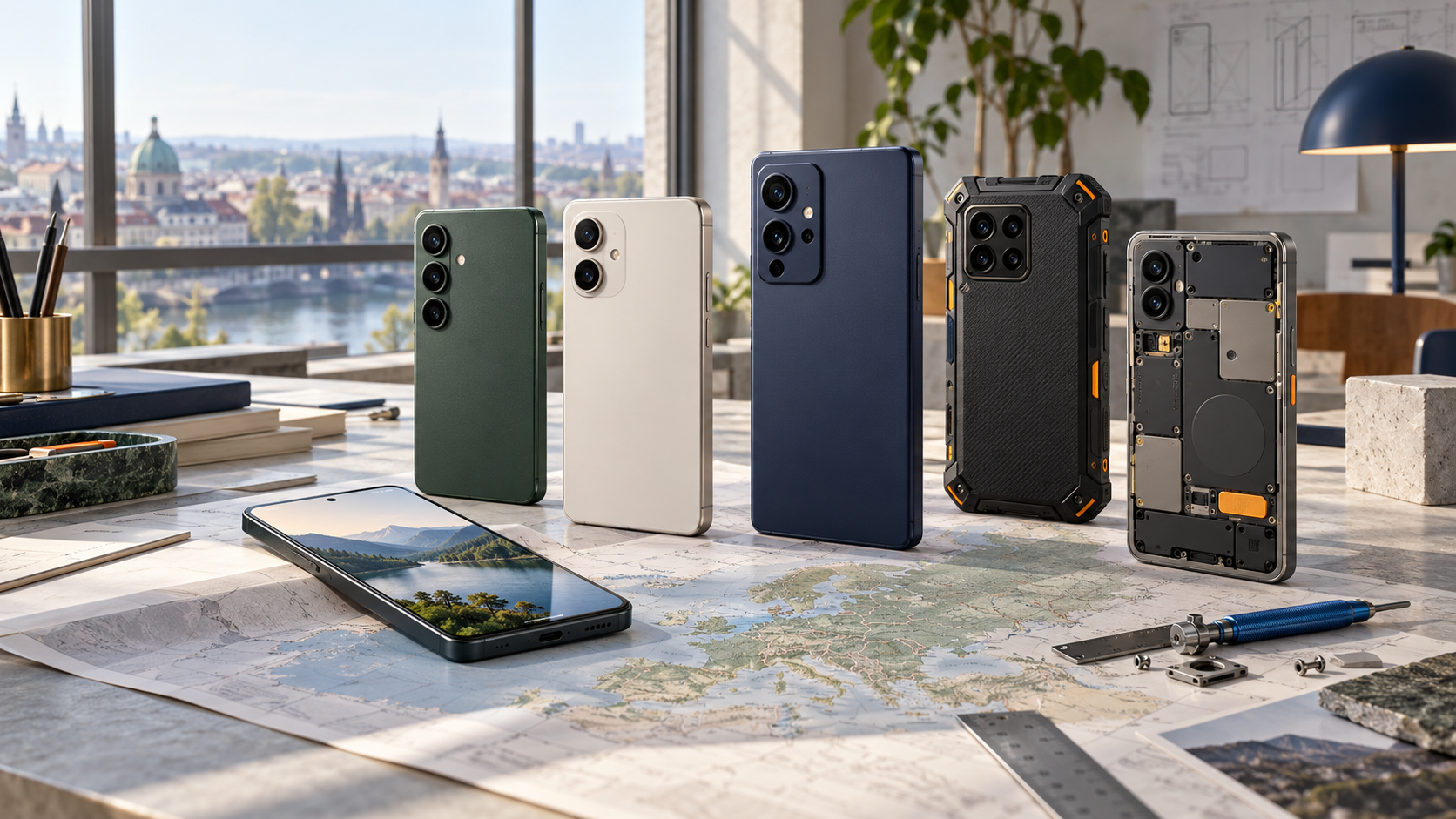
Modularity is the key feature. SHIFT describes more than 13 replaceable modules, including the display, battery and charging socket, accessible with a screwdriver. Its removable universal battery also works across several SHIFT products. A €22 device deposit is intended to encourage return and recycling. These ideas treat the phone as a maintained object rather than a sealed annual upgrade.
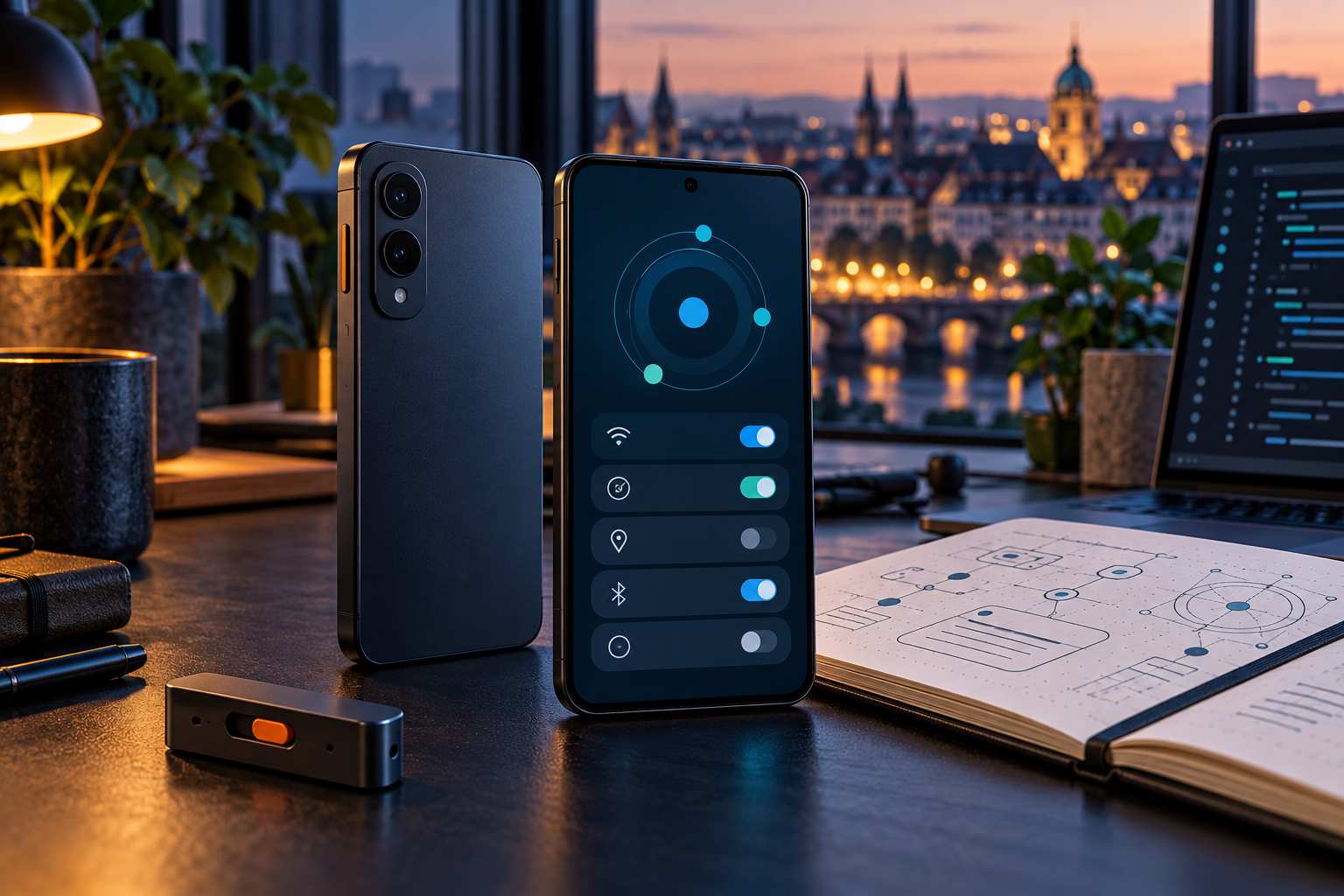
The phone also includes hardware switches for cameras and microphones. Hardware disconnection can be valuable when a buyer's threat model calls for it, but it does not make the rest of the device automatically secure. The operating system, installed applications, modem, update chain, physical custody and account security still matter.
German design and Chinese manufacturing
SHIFT is unusually direct about geography: the device is designed in Germany and manufactured in the company's own facility in China. That is a credible European smartphone story because product control, repair policy and company responsibility remain German while manufacturing is stated honestly. It is not a claim that every chip or production step is European.
ShiftOS is based on Android, and the company also supports custom-ROM communities. The live shop states security patches into 2036 for the current phone. A long promise should be evaluated through actual release cadence, Android-version upgrades, vulnerability response and availability of binaries and source material—not the year alone.
Who should choose SHIFTphone
SHIFTphone suits buyers who value modularity, replaceable batteries, privacy switches and supporting a small German company, and who are comfortable buying from a less conventional retail operation. Network support, repair parts, camera quality, enterprise management and delivery timing deserve especially careful checking.
Small-batch production changes the buying relationship. Delivery choices can involve flexible waiting periods, stock waves or direct communication with the company rather than immediate carrier pickup. That can be acceptable for an informed supporter, but a person replacing a broken work phone may need a supplier with guaranteed next-day inventory and a local loan-device programme.
Repairable does not mean indestructible or effortless. Opening any modern phone requires care around lithium batteries, connectors, seals and static-sensitive parts. Water protection after a repair depends on the design and correct reassembly. SHIFT includes tools and designs for access, but owners should follow current instructions and use professional service when a repair exceeds their experience.
The universal battery is strategically stronger than a battery that is merely removable. Compatibility across device generations can make spares easier to justify and reduces the number of unique packs a household or organisation must hold. The claim should be rechecked for every new model, because long-term value appears only if SHIFT continues supporting the shared format and keeps fresh cells available.
The verdict is that SHIFT adds real diversity to European hardware. Its best contribution is not claiming autarky; it is showing that repairable construction, shared batteries, deposits and explicit production responsibility can coexist in a capable modern phone.