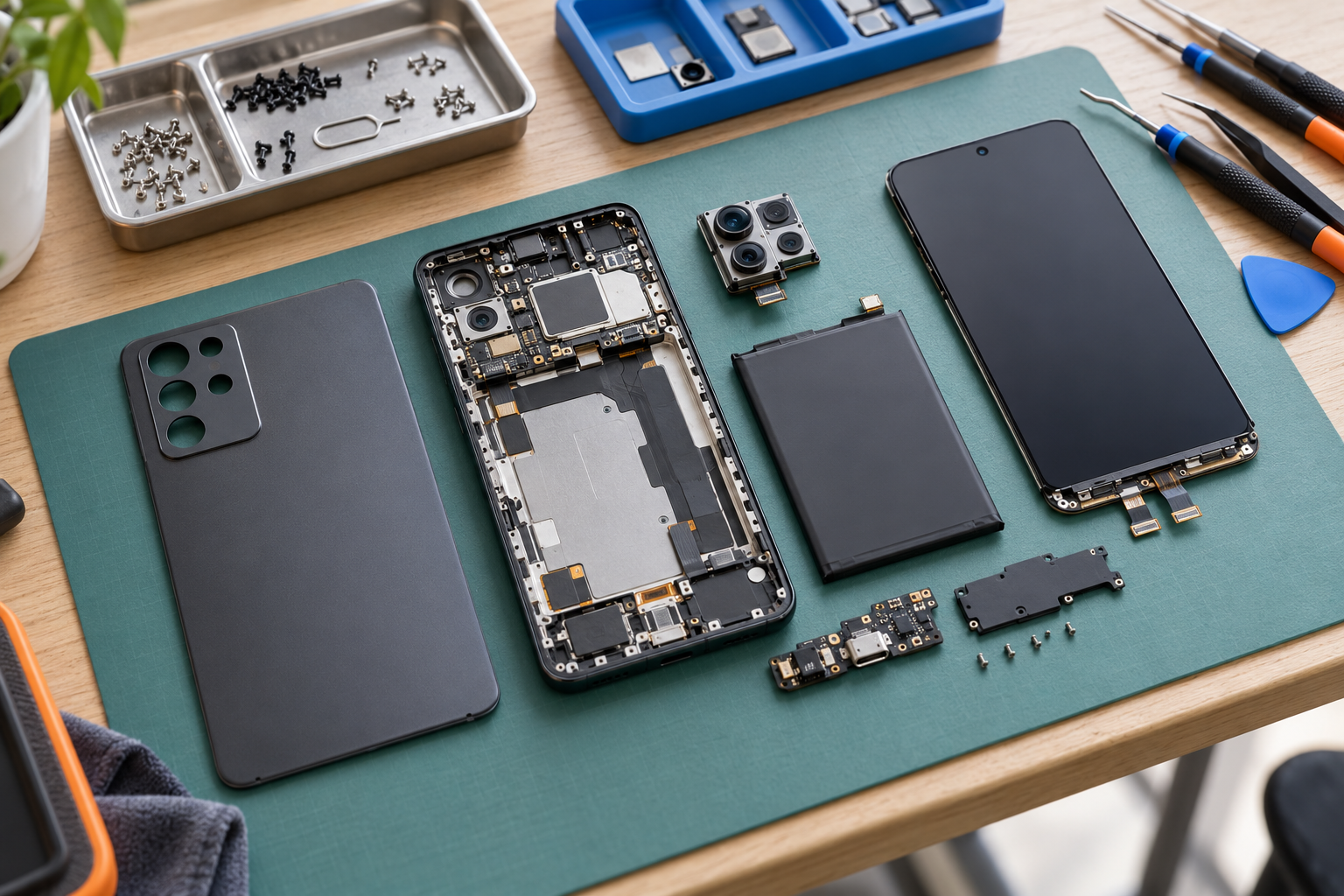
The short answer
HMD is the most conventional European smartphone maker in this guide. Headquartered in Finland, it sells Android smartphones under the HMD name and remains associated with Nokia-branded feature phones. Its catalogue spans low-cost devices, repair-oriented Fusion and Skyline models, child-safety concepts and rugged phones. That breadth makes HMD relevant to buyers who want a familiar Android experience rather than a specialist alternative operating system.
What makes HMD European
The European claim is corporate and design-led, not a statement that every device is fabricated in Finland. HMD calls itself a European maker and operates from Espoo, but processors, displays, memory, cameras and contract manufacturing sit in global supply chains. A buyer can reasonably support a Finnish-controlled handset company without pretending the phone is continentally self-sufficient.
Repairability and current models
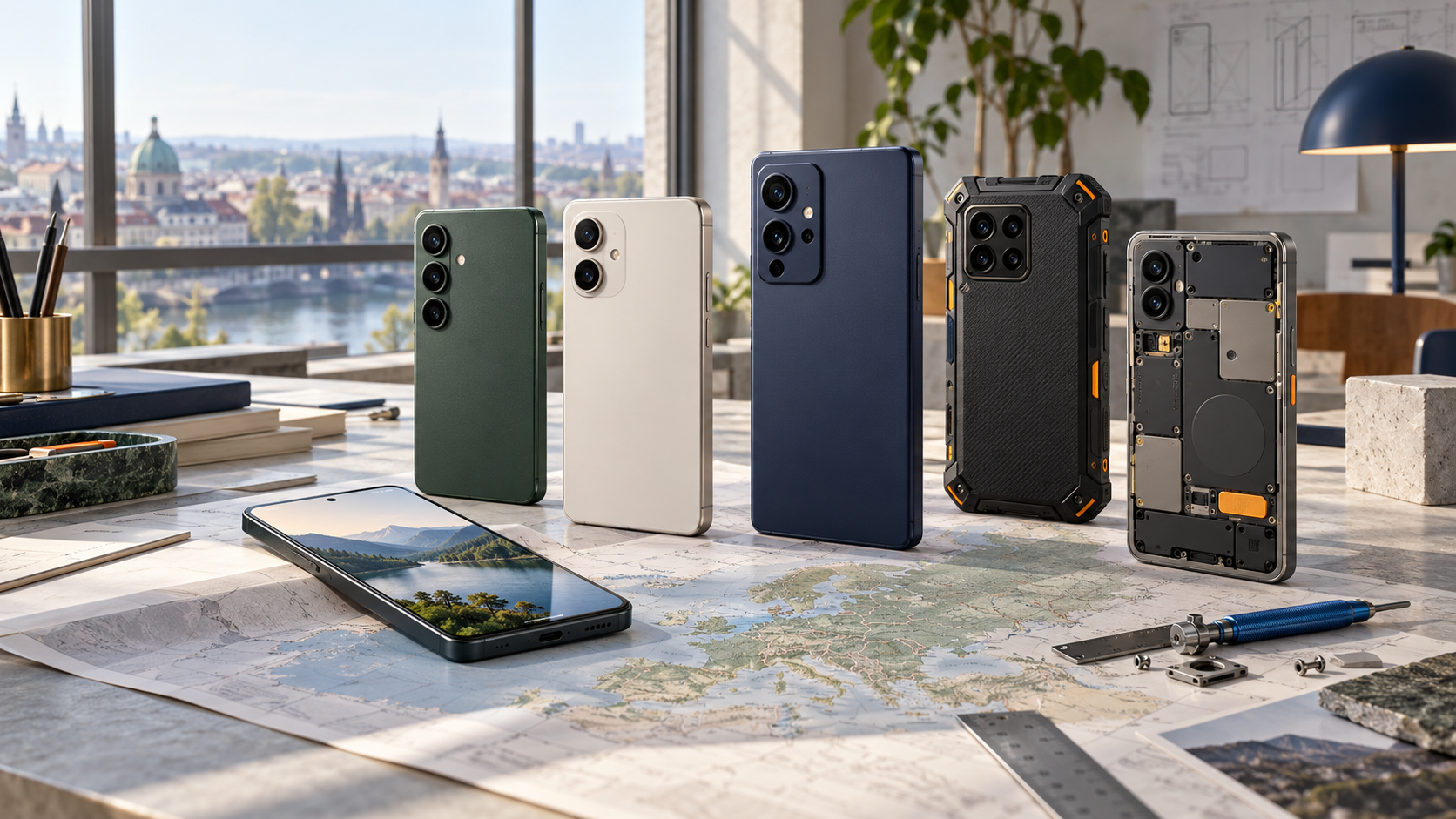
Repairability is the clearest product distinction. HMD publishes repair guides for selected models and supports parts and self-repair routes in selected countries. Skyline's construction was designed to make screen, battery, charging-port and back-cover replacement more accessible, while Fusion documentation includes end-user repair information. The exact parts, country support and warranty consequences still need checking before purchase.
HMD's model range changes by country. Its international site currently presents devices including Fusion, Skyline, Pulse variants, XR21 and lower-cost models, while some national stores show a narrower selection. That variability matters more than a global product list: local network support, software schedule, stock, service and price determine whether a theoretically suitable phone is a practical choice.
Android, updates and limits
Software remains Android-based. Buyers receive the familiar application ecosystem, Google services on normal retail configurations and common enterprise-management pathways. The trade-off is that HMD does not provide an independent European mobile platform comparable with Sailfish OS or Ubuntu Touch. Its strategic contribution is keeping handset design, product choices and commercial expertise under European direction.
Update promises must be checked per model. New EU ecodesign rules require a baseline of software-update availability after a model leaves the market, but a manufacturer's Android-version commitment, patch cadence and actual delivery history remain separate questions. A low purchase price can become poor value if security support ends while the hardware still works.
Who should choose HMD
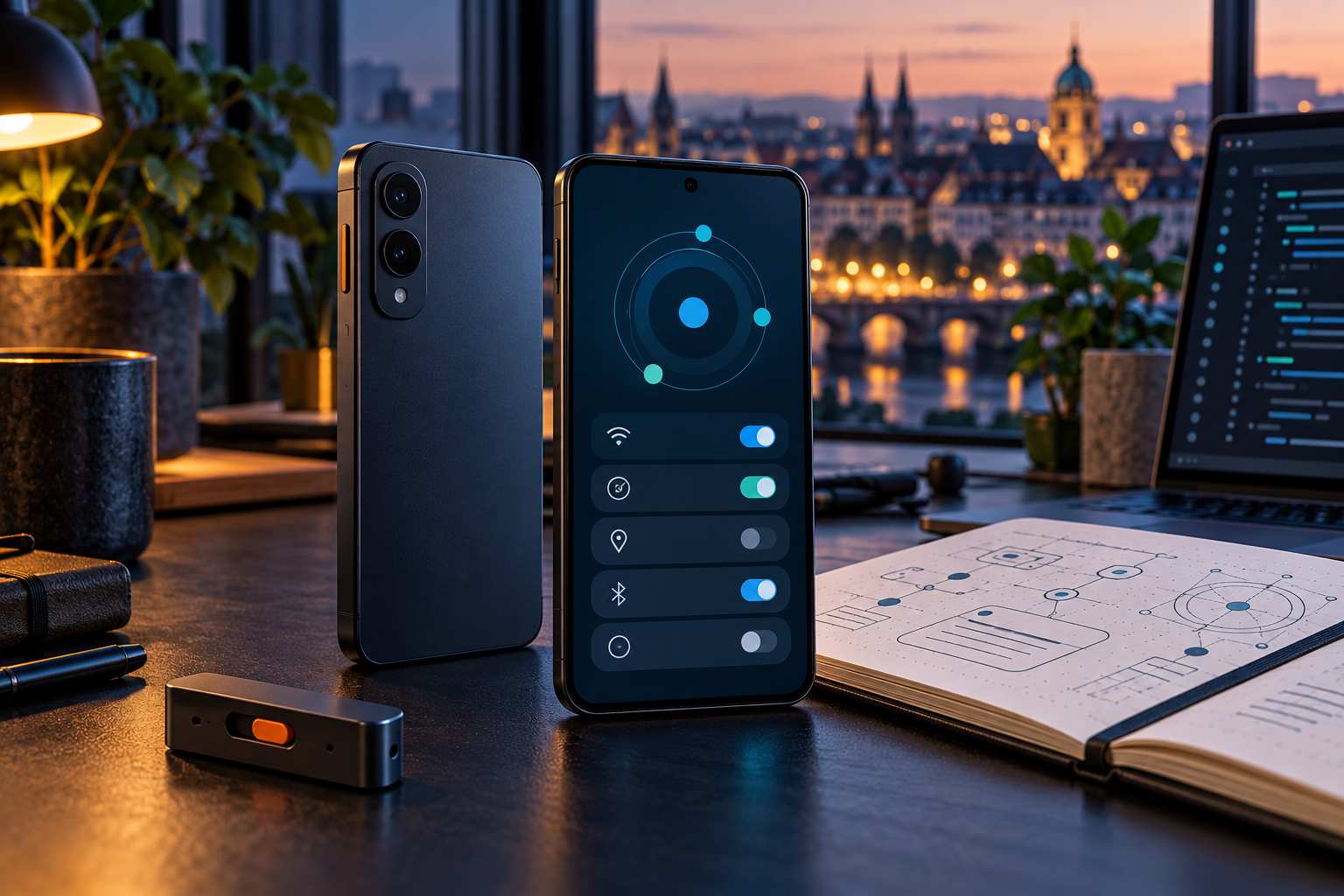
HMD suits buyers who want a recognisable Android phone, value European company control, and may benefit from self-repair on a supported model. It is less suited to someone seeking a Google-free system by default, a fully European component chain or the deepest modularity. Compare Skyline or Fusion with Fairphone and SHIFT on repair cost, then compare HMD's ordinary models with other Android phones on support and total value.
Camera and performance decisions should be model-specific. HMD's range spans basic devices and more capable phones, so a statement about one cannot be transferred across the badge. Check optical stabilisation, display brightness, storage type, water resistance and charging speed on the exact SKU. Independent reviews remain useful for camera processing and battery life because a megapixel or milliamp-hour figure does not describe the whole experience.
For a family or organisation, HMD's normal Android base can be an advantage. Existing Google accounts, parental controls, accessibility services and mobile-device-management tools are more likely to work without the additional testing required by an alternative operating system. That convenience is part of the value proposition, but it also means HMD is not reducing dependence on Google's platform in the way Jolla, Volla or Murena attempts to do.
The repair story should be tested at checkout rather than admired in a press release. A self-repair guide is useful only when the correct part and adhesive are in stock, shipping is reasonable, data can be protected, and the repair does not create a water-resistance or warranty problem the owner did not anticipate. Buyers who will never open a phone should compare the authorised repair network and turnaround time instead.
The honest verdict is positive but specific: HMD preserves a meaningful Finnish handset business and can reach price points and retail channels smaller European projects cannot. Its next test is to make long software support and practical parts availability as consistent and visible as its European identity.