The short answer
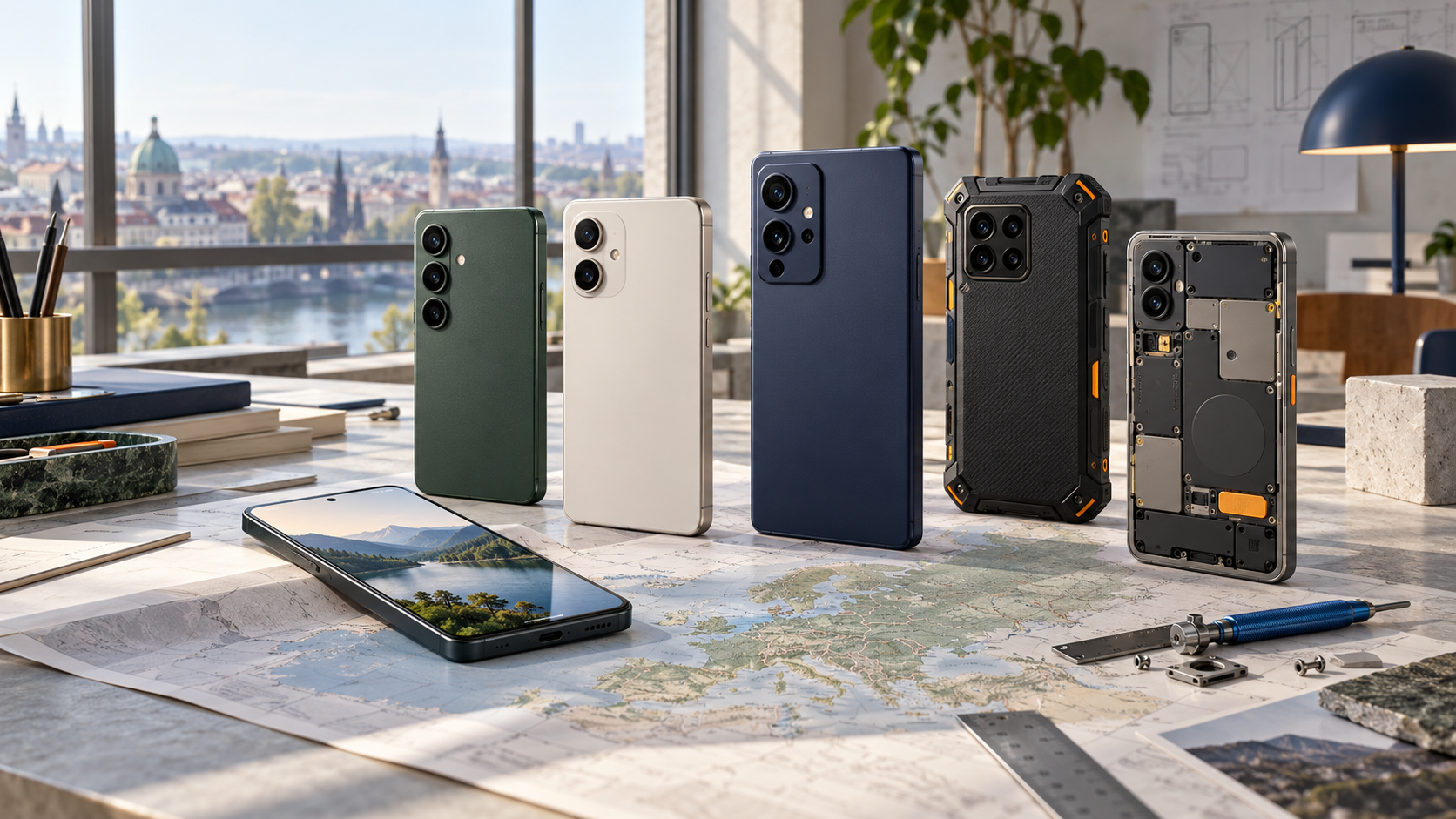
Nothing is the European smartphone brand most likely to be encountered beside global consumer flagships. The company is incorporated in England and Wales, maintains a prominent London identity and sells phones, audio products and software in dozens of countries. Its transparent visual language and Glyph interface make design, rather than sovereignty or repair, the centre of the proposition.
British and European, but not EU-based
That makes Nothing European, even though the United Kingdom is outside the EU. Europe is a geographic and industrial description here; EU consumer rules apply when a covered model is sold in the EU, but the company's home jurisdiction is British. The distinction matters for readers searching for an EU company rather than a wider European one.
Phone hardware and Nothing OS
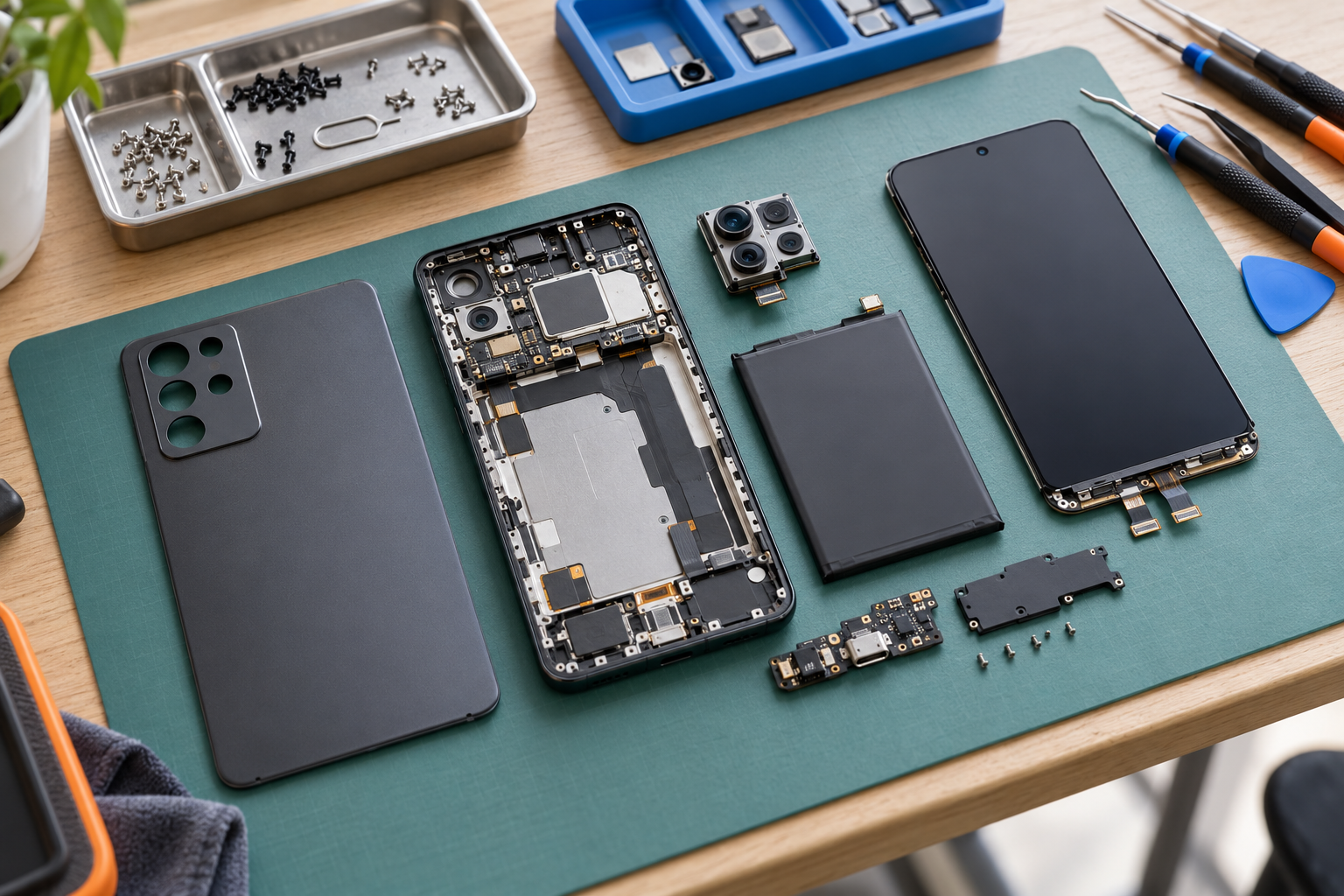
Nothing Phone (3) is positioned as a premium Android device. The official product page describes a Snapdragon 8s Gen 4 platform, four 50-megapixel cameras, an AMOLED display, wireless charging and Nothing OS. Those specifications compete on ordinary flagship concerns. A buyer does not need to accept experimental app compatibility or a specialist procurement route to choose a European-directed brand.
Nothing OS is based on Android and adds the company's interface, design system and services. This represents genuine software work in Europe, but it is not a separate European mobile ecosystem in the Sailfish sense. Google platform services, Qualcomm technology, application distribution and global component suppliers remain central to the product.
What Europe gains—and what remains global
The brand's value is cultural and commercial capacity. Europe benefits when a London team can create an internationally recognisable hardware language, build a community and compete for consumer attention rather than leaving design and brand ownership entirely elsewhere. That is meaningful even when fabrication is global.
Nothing is not the strongest choice for modular repair or de-Googled privacy. Buyers should use the exact model's EU energy label, repairability class, parts availability and support policy instead of transferring claims from Fairphone or EU minimum rules. Software-update pages also show that support differs by generation and that old models eventually leave the major-release path.
Who should choose Nothing
Choose Nothing when design, camera capability, performance and normal Android compatibility matter, and when a British-controlled brand is the European layer you want to support. Choose Fairphone or SHIFT when user repair dominates, and choose Jolla, Volla or Murena when reducing reliance on stock Google Android is the primary objective.
Regional purchasing needs attention. Nothing operates different stores and carrier relationships, and a product page can show different prices, stock or configurations by country. Confirm the legal seller, return route, charger policy, radio bands and repair centre that apply to the delivery address. A phone that is technically compatible but imported from another region can complicate warranty and network features.
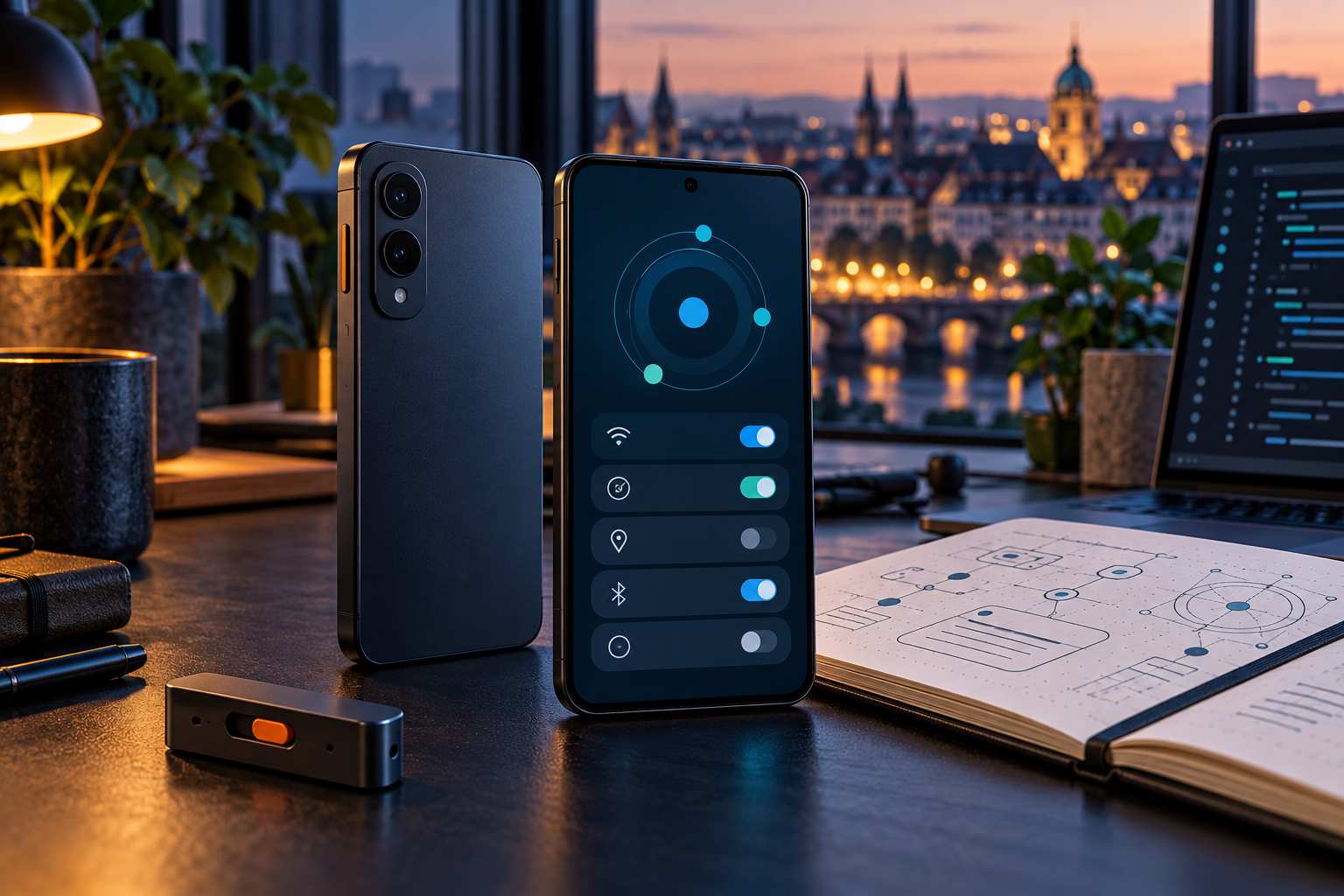
The Glyph interface and visual design are the brand's most visible ideas, but they should be judged as tools rather than decoration. Notification lights can help a user leave the screen face-down, while a rear display or lighting system can also become another setting to manage. Buyers should ask whether the interaction fits their habits and accessibility needs instead of assuming distinctiveness equals usefulness.
Sustainability needs the same discipline. A premium phone can remain useful longer when it receives updates, survives daily wear and can be repaired economically. Materials claims and packaging improvements are welcome, but lifetime impact depends heavily on how long the device stays in use. The strongest future Nothing profile would publish easily comparable update dates, spare-part prices and repair outcomes alongside camera and design launches.
The honest verdict is that Nothing proves European consumer-electronics ambition is alive. Its next strategic test is not merely another distinctive back panel; it is longer transparent support, better repair economics and deeper European engineering capacity across the product lifecycle.