The short answer
Raspberry Pi transformed a credit-card-sized board into a global computer platform used for education, making, industrial control and embedded products. The current operating company, Raspberry Pi Holdings plc, is an active UK public company. Its engineering centre is in Cambridge, and the Raspberry Pi 5 launch documentation states that the board was designed there and manufactured at Sony UK Technology Centre in Pencoed, Wales.
Manufacturing in Wales
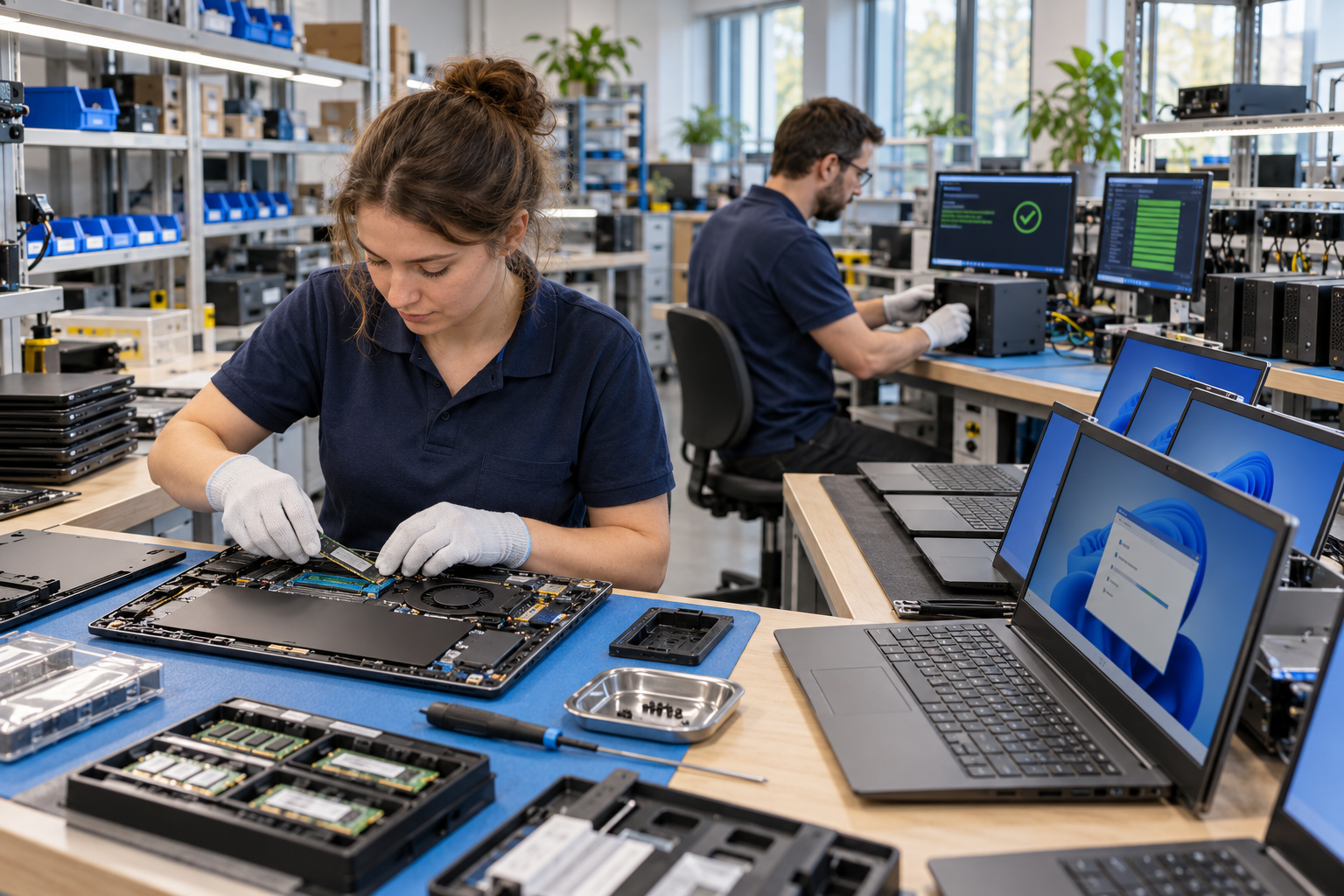
Welsh manufacturing is substantial. Sony's Pencoed facility has produced Raspberry Pi boards at large scale, combining automated surface-mount assembly, testing and continuous manufacturing improvement. This is not only final configuration of a finished imported computer: the board itself is assembled and tested in Britain from globally sourced semiconductors, connectors and other components.
Design, software and the ecosystem
The design achievement is equally important. Raspberry Pi's engineers develop boards, firmware, operating-system integration and an ecosystem of interfaces that lets educators, makers and companies reuse knowledge across generations. The platform's influence comes from documentation, community and supply continuity as much as from the price of a single board.
Who owns Raspberry Pi now
Ownership needs an updated explanation after the 2024 stock-market listing. Raspberry Pi is not wholly owned by the charitable Raspberry Pi Foundation. The latest annual report available through the investor site describes a 46.7% Foundation holding through its UK subsidiary and 49.98% combined with a related shareholder, and states there is no ultimate controlling party. Readers should use the current annual report because holdings can change.
The company remains connected to the educational mission because the Foundation is a major shareholder and benefits from the company's success, but commercial and charitable entities have distinct governance. That structure can fund education while giving the company access to public capital. It should be celebrated accurately rather than compressed into the outdated phrase Foundation-owned.
What the computer can and cannot replace
Raspberry Pi is not a laptop vendor and does not replace a conventional PC for every user. A board usually needs a power supply, storage, case, display and input devices. Desktop performance and software compatibility vary by model and architecture. Its strength is a flexible computer platform that can become a classroom workstation, laboratory controller, media system or industrial component.
Global inputs and the European achievement
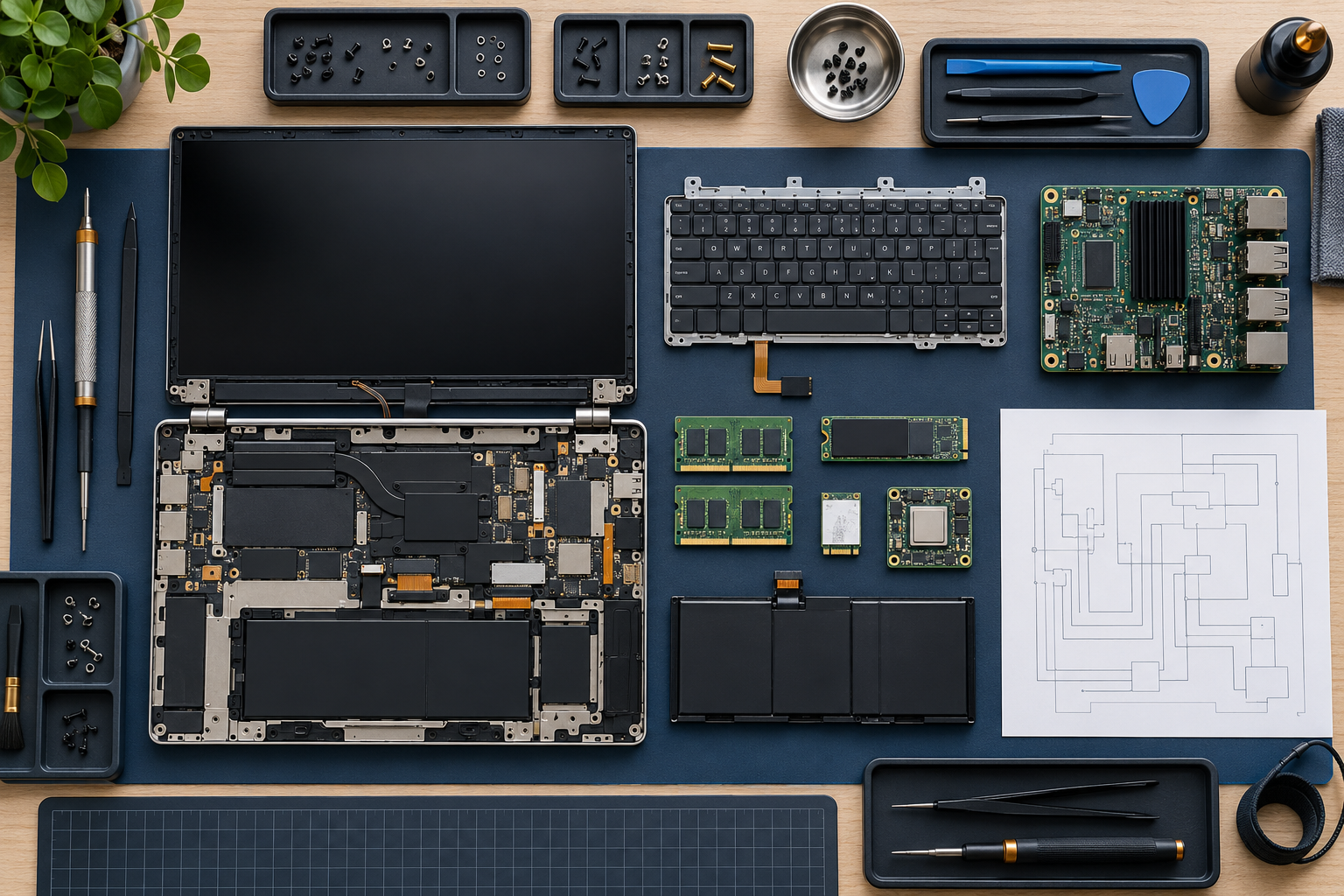
The supply chain is global. Raspberry Pi designs important silicon and boards in Britain, but fabrication, memory, wireless components and many materials come from international partners. Manufacturing in Wales is therefore a major European capability without being a wholly European bill of materials. That distinction is exactly the kind of industrial literacy this hub exists to preserve.
Raspberry Pi proves that Europe can design a computer, create a developer platform, manufacture boards at scale and connect commercial success to public-purpose education. The next test is keeping products available, documented, repairable and energy-efficient while growing industrial sales without crowding out the learners and small makers who created its cultural reach.