The short answer
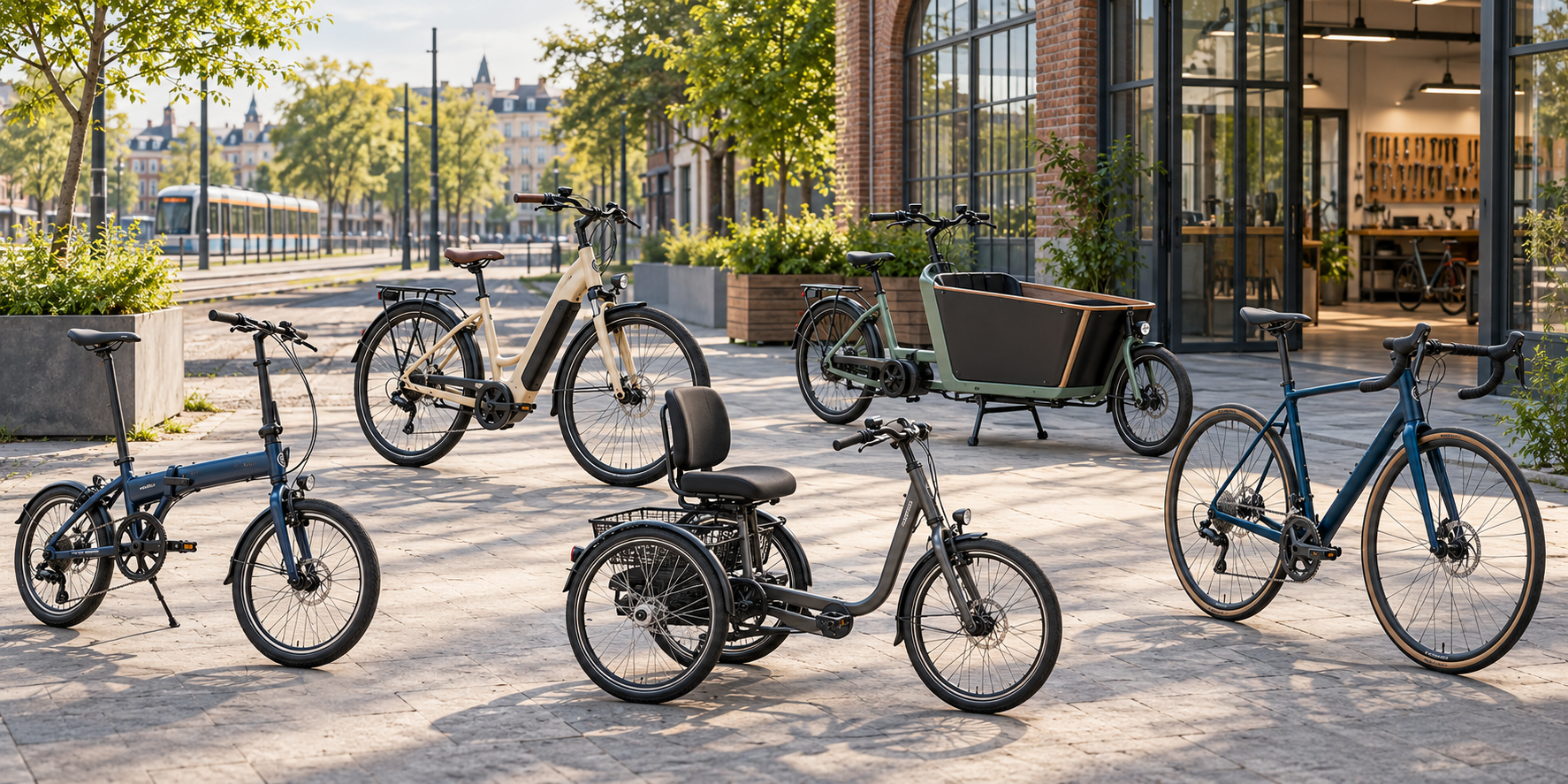
Van Raam builds bicycles for people whom standard bicycle design excludes. Its range includes adult and child tricycles, low-step bicycles, wheelchair transporters, side-by-side cycles, tandems and mobility-scooter hybrids, with electric assistance available across much of the range. The purpose is independence and participation rather than sporting performance.
Made to order in the Netherlands
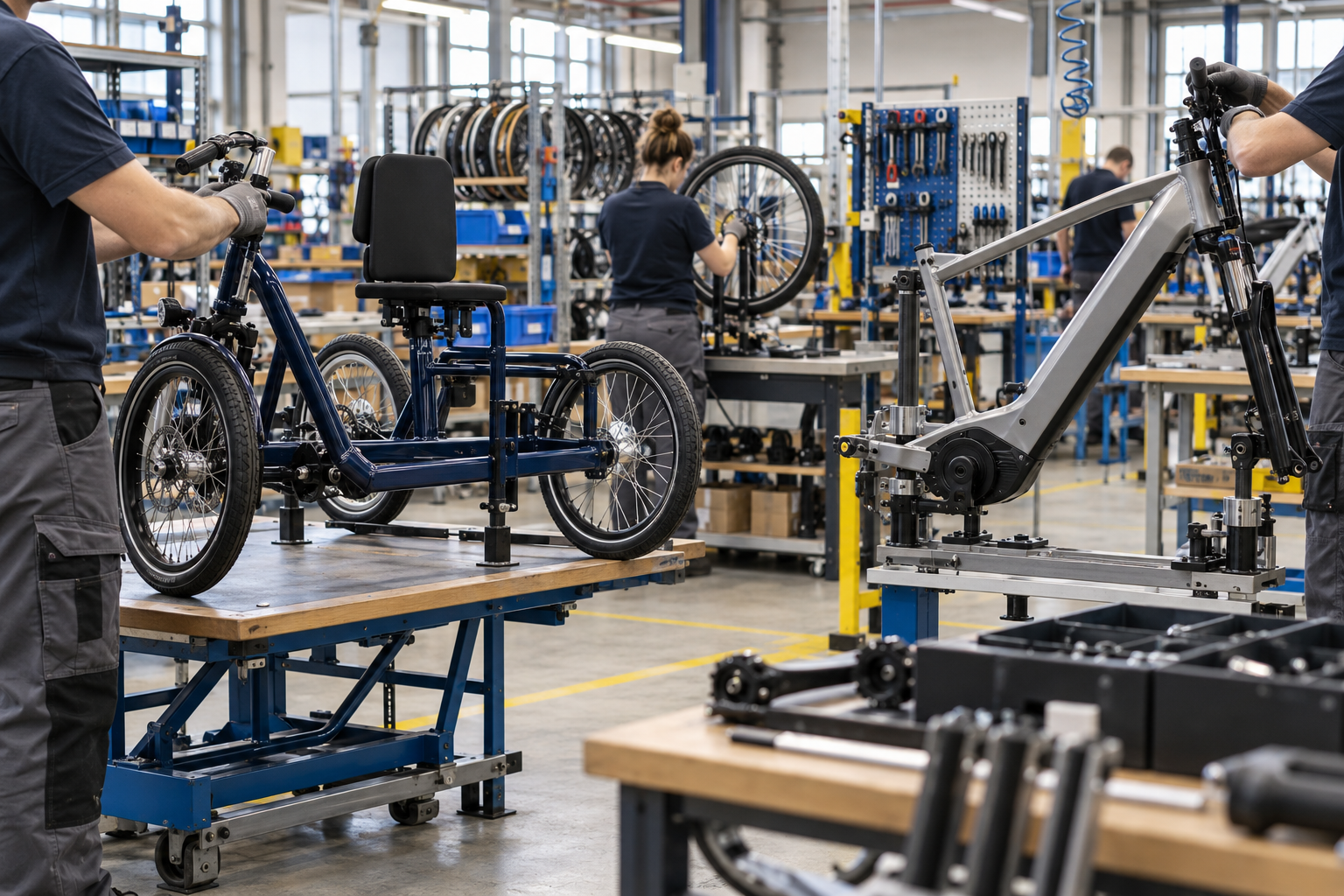
The company says every bicycle is designed, engineered and hand-built to order in the Netherlands. Its Varsseveld factory includes tube and frame work, painting, assembly, electronics, testing and an ideas facility. Around 270 people work across an 18,000-square-metre production site, giving adapted mobility a substantial industrial base rather than a one-off workshop model.
Why assessment and test riding matter
Made to order matters because disability is not one standard category. Frame size, seating, crank position, controls, steering, gearing, electric assistance and passenger configuration can be adapted. That flexibility makes professional assessment and test riding more important, not less.
Adapted cycles handle differently
A stable tricycle is not automatically easier in every situation. Three wheels do not lean like a normal bicycle, road camber can steer the rider, width changes gap judgement and higher cornering speed can create tipping risk. New users need a protected practice area and instruction. A side-by-side tandem or wheelchair bicycle introduces communication and passenger-handling responsibilities.
Electric assistance and specialist service
Van Raam develops its own electric-assistance system for adapted use, including functions not typical on ordinary e-bikes. Proprietary capability can serve specialised needs well, while increasing dependence on trained dealers, batteries, controllers and diagnostics. Confirm local support and emergency procedures before purchase.
Funding, equipment and warranty
Funding and procurement vary sharply. Health, disability, municipal, insurance, employer or charitable schemes may contribute in one country and provide nothing in another. A quoted bicycle price may exclude essential seating, restraints, mirrors, foot fixation, transport or training. Ask for a complete fitted proposal.
The current warranty documentation describes five years for the frame and fork and two years for other components, excluding wear and subject to proper use and authorised modifications. Adaptations should be made within the manufacturer's approved system because unapproved structural or assistance changes can affect safety, conformity and liability.
Why Europe can be proud
Van Raam belongs at the centre of Proud Europe. It joins Dutch bicycle culture, advanced manufacturing and social inclusion in one product. A continent is not truly mobile if its transport icons assume every body works the same way. Building a bicycle around the rider is industrial achievement with direct civic meaning.